High protein low calorie meals that still fill you up
On this page
- Which protein foods have the most protein for the calories?
- A simple way to picture it
- Why these plates keep you full
- High protein low calorie meals, graded
- The dressing is the difference
- A high protein breakfast under 400 calories
- Low calorie plates that miss
- What if you eat 2,000 calories a day?
- Who should go carefully
A high protein low calorie meal is a palm or more of lean protein, a cup of beans or a second protein food, and as many vegetables as you like, with a little oil. The plates below have 30 to 45 g of protein for 270 to 360 calories, and every one is graded on all six jobs a meal does, so they fill you up too.
Most people trying to eat fewer calories cut the wrong part of the plate. The protein shrinks, a salad with no chicken on it becomes lunch, and dinner is a small bowl of pasta. Those plates are low calorie, and they leave you hungry by 3 pm.
On a smaller day, your protein line doesn’t move. The checker sets it from your weight, so a 170 lb person needs about 30 to 40 g a plate whether they eat 2,000 calories a day or 1,600. What changes is how much room is left around it, and the meals that work fill that room with food that has a lot of water and fiber in it and few calories.
What we’d do
Build the plate in this order. Pick a lean protein from the top of the list below, add half a cup of beans or lentils, then add vegetables until the plate looks full. Use half a spoon of olive oil, or salsa, instead of a bottled dressing. That gets you 30 to 40 g of protein and 6 to 15 g of fiber for about 300 calories, and a plate that big holds most people until the next meal.
If you remember three things
- The protein food decides most of it. Chicken breast, canned tuna and shrimp give about 20 g of protein per 100 calories. Ground beef gives about 9.
- The calories hide in the oil and the dressing. A spoon of olive oil is about 120 calories. Three spoons of ranch are about 190.
- Too small is a miss too. A 200 calorie cup of yogurt is a snack, and the checker counts it as one.
Which protein foods have the most protein for the calories?
This is the list to shop from. The number is grams of protein in 100 calories of each food, worked out from the checker’s food table.
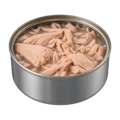 Tuna, canned1 palm tuna, canned: 22 g for 100 cal22
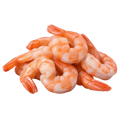 Shrimp1 palm shrimp: 21 g for 100 cal21
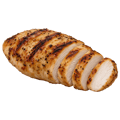 Chicken breast1 palm chicken breast: 27 g for 140 cal19
- Turkey, roasted1 palm turkey, roasted: 25 g for 130 cal19
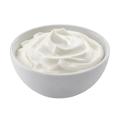 Greek yogurt1 container Greek yogurt: 17 g for 100 cal17
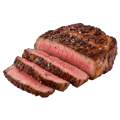 Steak1 palm steak: 26 g for 170 cal16
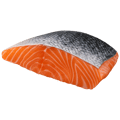 Salmon1 palm salmon: 23 g for 180 cal13
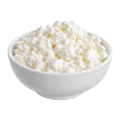 Cottage cheese1 cup cottage cheese: 26 g for 220 cal12
- Chicken thigh1 palm chicken thigh: 21 g for 180 cal12
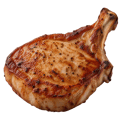 Pork chop1 palm pork chop: 24 g for 200 cal12
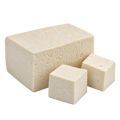 Tofu1 palm tofu: 7 g for 70 cal11
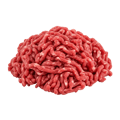 Ground beef1 palm ground beef: 21 g for 230 cal9
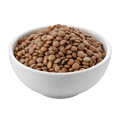 Lentils1 cup lentils: 18 g for 230 cal8
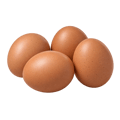 Egg1 egg: 6 g for 80 cal8
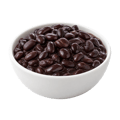 Black beans1 cup black beans: 15 g for 230 cal7
The top of the list is lean meat, fish and Greek yogurt. Beans and lentils sit lower, at about 7 or 8 g per 100 calories, but they’re on most plates below because they bring 6 to 8 g of fiber a half cup with their protein. Chicken thighs, salmon and ground beef aren’t bad foods, they just bring more fat with their protein, so a palm of them costs more calories. protein.guide ranks single foods the same way.
A simple way to picture it
Think of a day’s calories as a suitcase. The protein is the one thing you have to pack, and it takes up the same space whatever size suitcase you bring. When the suitcase gets smaller, the protein still goes in first. What comes out is the heavy stuff you don’t need (the extra oil, the dressing, the second scoop of rice), and vegetables fill the gaps, since they weigh almost nothing.
Why these plates keep you full
Barbara Rolls, who has studied this for decades, wrote in 2009 that people “tend to eat a consistent weight of food”. In her studies, lowering the calories in each gram of food meant people ate fewer calories and still felt full. A whole apple before lunch cut the calories people ate at lunch by 15%.
That’s why the checker’s Hunger meter counts three things. Protein is 45% of it, fiber is 30%, and the last 25% is how much food there is for the calories, with full marks at 1.5 calories a gram or less. Broccoli, salad greens and zucchini are mostly water. Chicken breast is about 1.7 calories a gram, and olive oil is 8.5. The plates below score 90 or more on Hunger at 270 to 360 calories.
Protein helps here in a second way. In a 2015 trial, 57 young people around 19 who usually skipped breakfast got a 35 g protein breakfast, a 13 g one, or nothing, for 12 weeks. The 35 g group ate less over the day and gained no bodyfat, while the skippers gained about 3.5 lb. The 35 g group didn’t do better than the 13 g group when the two were compared directly.
High protein low calorie meals, graded
These are graded for a 170 lb person eating 1,600 calories a day over three meals, a common day for losing weight. At that size a plate runs 400 to 670 calories, and anything over half a plate (about 270) passes Energy. Each of these leaves room for a snack or a bigger dinner.


Chicken, broccoli and black beans with salsa
1 palm chicken breast, 1 cup broccoli, ½ cup black beans, 2 tbsp salsa
310 calories, 39 g protein, 12.6 g fiber
- Energylight310 cal
- Processingwhole100% whole food
- Musclehigh39 g protein
- Hungerfilling12.6 g fiber, 0.9 cal a gram
- Nutrientsdense1½ cups of plants
- Glucosesteady0 g fast carbs
The one changeNone. It clears all six.


Chicken, lentils and spinach
1 palm chicken breast, ½ cup lentils, 2 cups spinach
270 calories, 38 g protein, 9.4 g fiber
- Energylight270 cal
- Processingwhole100% whole food
- Musclehigh38 g protein
- Hungerfilling9.4 g fiber, 1.1 cal a gram
- Nutrientsdense1½ cups of plants
- Glucosesteady0 g fast carbs
The one changeAdd half a cup of black beans and it's A+


Shrimp with zucchini, cauliflower and black beans
1½ palms shrimp, 1 cup zucchini, 1 cup cauliflower, ½ cup black beans, 2 tbsp salsa
340 calories, 43 g protein, 13.9 g fiber
- Energylight340 cal
- Processingwhole100% whole food
- Musclehigh43 g protein
- Hungerfilling13.9 g fiber, 0.6 cal a gram
- Nutrientsdense2½ cups of plants
- Glucosesteady0 g fast carbs
The one changeAdd a cup of broccoli and it's A+


Turkey, green beans and half a sweet potato
1¼ palms turkey, roasted, 1 cup green beans, ½ sweet potato
290 calories, 35 g protein, 6.2 g fiber
- Energylight290 cal
- Processingwhole100% whole food
- Musclehigh35 g protein
- Hungerfilling6.2 g fiber, 0.9 cal a gram
- Nutrientsdense1½ cups of plants
- Glucosesteady0 g fast carbs
The one changeAdd a cup of broccoli and it's A+


Steak, broccoli, mushrooms and half a potato
1 palm steak, 1 cup broccoli, 1 cup mushrooms, ½ baked potato
340 calories, 36 g protein, 7.7 g fiber
- Energylight340 cal
- Processingwhole100% whole food
- Musclehigh36 g protein
- Hungerfilling7.7 g fiber, 0.8 cal a gram
- Nutrientsdense2½ cups of plants
- Glucosesteady23 g fast carbs
The one changeAdd a side salad, two cups of greens and it's A+


Tuna and chickpea salad
1 palm tuna, canned, ½ cup chickpeas, 2 cups salad greens, 1 tomato, ½ cup cucumber, ½ tbsp olive oil
340 calories, 33 g protein, 10.1 g fiber
- Energylight340 cal
- Processingwhole100% whole food
- Musclehigh33 g protein
- Hungerfilling10.1 g fiber, 0.7 cal a gram
- Nutrientsdense3 cups of plants
- Glucosesteady0 g fast carbs
The one changeAdd half a cup of black beans and it's A+


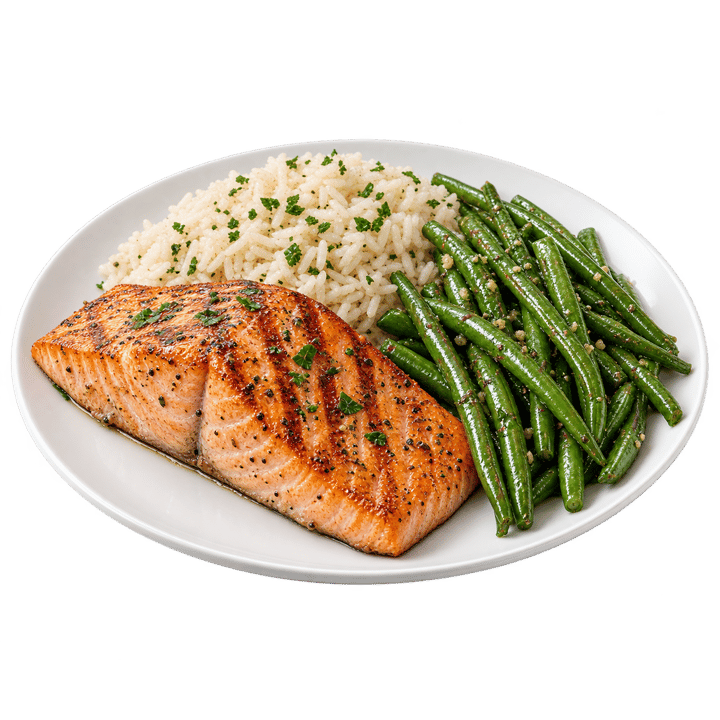
Salmon, asparagus and half a cup of quinoa
1 palm salmon, 1 cup asparagus, ½ cup quinoa
340 calories, 32 g protein, 5.5 g fiber
- Energylight340 cal
- Processingwhole100% whole food
- Musclehigh32 g protein
- Hungerfilling5.5 g fiber, 0.9 cal a gram
- Nutrientsdense1 cup of plants
- Glucosesteady0 g fast carbs
The one changeAdd a cup of broccoli and it's A+

Lentils, spinach and Greek yogurt
¾ cup lentils, 2 cups spinach, 1 tomato, 1 container Greek yogurt
310 calories, 33 g protein, 14.7 g fiber
- Energylight310 cal
- Processingwhole100% whole food
- Musclehigh33 g protein
- Hungerfilling14.7 g fiber, 0.6 cal a gram
- Nutrientsdense2¾ cups of plants
- Glucosesteady0 g fast carbs
The one changeAdd two eggs and it's A+
The chicken, broccoli and black bean plate is the one we’d learn first. It’s 306 calories with 39 g of protein and 13 g of fiber, it takes about as long as the rice would have, and the salsa does the job a dressing would.
The dressing is the difference
Here’s the same big chicken salad twice. One has half a spoon of olive oil, and the other has three spoons of bottled ranch. The ranch adds about 130 calories and makes most of the plate’s calories ultra-processed, so the salad goes from an A+ to a B+.
A big chicken salad with olive oil
1¼ palms chicken breast, 3 cups salad greens, 1 tomato, ½ cup cucumber, ¼ cup chickpeas, ½ tbsp olive oil
360 calories, 42 g protein, 7.9 g fiber
- Energylight360 cal
- Processingwhole100% whole food
- Musclehigh42 g protein
- Hungerfilling7.9 g fiber, 0.7 cal a gram
- Nutrientsdense3¼ cups of plants
- Glucosesteady0 g fast carbs
The one changeNone. It clears all six.
The same salad with ranch
1¼ palms chicken breast, 3 cups salad greens, 1 tomato, ½ cup cucumber, ¼ cup chickpeas, 3 tbsp ranch dressing
490 calories, 42 g protein, 7.9 g fiber
- Energyfits490 cal
- Processingmixed61% whole food
- Musclehigh42 g protein
- Hungerfilling7.9 g fiber, 0.9 cal a gram
- Nutrientsdense3¼ cups of plants
- Glucosesteady3 g fast carbs
The one changeSwap the ranch for a spoon of olive oil and vinegar and it's A+
The oil isn’t the problem in itself. The 2026 US guidelines name olive oil first among the fats to cook with. It’s just the most calorie-dense thing in the kitchen, so it’s the part to measure with a spoon instead of pouring.
A high protein breakfast under 400 calories
A cup and a half of Greek yogurt with strawberries is 200 calories and 26 g of protein. That’s a good snack and a small breakfast, a little under the protein line and under half a plate, so it misses Muscle and Energy. Add two eggs and it’s 356 calories, 38 g of protein and an A.

Greek yogurt and strawberries
1½ containers Greek yogurt, 1 cup strawberries
200 calories, 26 g protein, 3.8 g fiber
- Energysmall200 cal
- Processingwhole100% whole food
- Musclelow26 g protein
- Hungerfilling3.8 g fiber, 0.5 cal a gram
- Nutrientsdense1 cup of plants
- Glucosesteady0 g fast carbs
The one changeAdd two eggs and it's A

The same, with two eggs
1½ containers Greek yogurt, 1 cup strawberries, 2 eggs
360 calories, 38 g protein, 3.8 g fiber
- Energylight360 cal
- Processingwhole100% whole food
- Musclehigh38 g protein
- Hungerfilling3.8 g fiber, 0.7 cal a gram
- Nutrientsdense1 cup of plants
- Glucosesteady0 g fast carbs
The one changeAdd a cup of blueberries and it's A
Low calorie plates that miss
Low calorie on its own isn’t the goal. Each of these is under 340 calories, and each misses more than one job.
Just chicken, a palm and a half
1½ palms chicken breast
210 calories, 40 g protein, 0 g fiber
- Energysmall210 cal
- Processingwhole100% whole food
- Musclehigh40 g protein
- Hungersome0 g fiber, 1.7 cal a gram
- Nutrientslow0 cups of plants
- Glucosesteady0 g fast carbs
The one changeAdd a side salad, two cups of greens and it's B+

Tuna and mayo on white bread
1 palm tuna, canned, 1 tbsp mayonnaise, 2 slices white bread
330 calories, 26 g protein, 1.2 g fiber
- Energylight330 cal
- Processingprocessed30% whole food
- Musclelow26 g protein
- Hungersome1.2 g fiber, 2.2 cal a gram
- Nutrientslow0 cups of plants
- Glucosesteady23 g fast carbs
The one changeAdd a cup of broccoli and it's B
A side salad with Italian dressing
3 cups salad greens, 1 tomato, ½ cup cucumber, 2 tbsp italian dressing
200 calories, 5 g protein, 4.8 g fiber
- Energysmall200 cal
- Processingprocessed29% whole food
- Musclevery low5 g protein
- Hungerlight4.8 g fiber, 0.5 cal a gram
- Nutrientsdense3 cups of plants
- Glucosesteady2 g fast carbs
The one changeAdd a palm of chicken breast and it's B
Plain chicken has 40 g of protein and nothing else, so it misses Energy, Hunger and Nutrients. The tuna sandwich is ultra-processed bread and mayo around a good protein. The side salad has 5 g of protein and won’t hold anyone for long.
What if you eat 2,000 calories a day?
Then these plates are on the small side for you. At 2,000 a day over three meals, a plate runs 500 to 830 calories, and the chicken, broccoli and black bean plate is under half of one. The checker calls it light and suggests a cup of green beans, which makes it an A+ for that day too. If you’re not losing weight, high protein meals has bigger plates, and the plate size calculator shows where your own window sits.
Who should go carefully
What a meal should look like to lose weight has the rest of the plate, bodyfat.guide has how fast to lose and the whole plan, and protein.guide has why protein protects muscle while you lose. If you’re on a GLP-1 drug and can only eat a little, the same plates in smaller portions work, and what to eat on Ozempic or another GLP-1 has more. If you have kidney disease, ask your doctor how much protein is right for you.
6 sources
- US Department of Agriculture and US Department of Health and Human Services, Dietary Guidelines for Americans, 2025 to 2030, January 2026 (protein at every meal, 1.2 to 1.6 g per kg a day)cdn.realfood.gov
- Rolls, The relationship between dietary energy density and energy intake, Physiology and Behavior, 2009pmc.ncbi.nlm.nih.gov
- Leidy et al., A high-protein breakfast prevents bodyfat gain, through reductions in daily intake and hunger, in breakfast skipping adolescents, Obesity, 2015europepmc.org
- Gebhardt and Thomas, Nutritive Value of Foods, USDA Agricultural Research Service, Home and Garden Bulletin 72, 2002 (the meal checker's food values)ars.usda.gov
- USDA FoodData Central, Yogurt, Greek, plain, nonfat (Standard Reference)fdc.nal.usda.gov
- US Food and Drug Administration, Nutrition Information for Cooked Seafood (shrimp), 2018fda.gov