Vegetables first, bread last
On this page
Eating the vegetables and protein before the bread, rice or juice lowers the blood sugar rise from the same meal. In a 2015 trial of 11 people with type 2 diabetes, blood sugar an hour after eating was 37% lower with the carbs last. It costs nothing to try.
Most people think blood sugar after a meal depends only on what’s in it. Others have seen glucose tips online and think the order of a meal can undo a soda. Both are partly right. The order does change the curve, by a lot in the trials, but the trials were small and mostly in people with type 2 diabetes, and the calories don’t change at all.
What we’d do
When it’s easy, eat the vegetables and the protein first and the starch last. Ask for the side salad before the main, and leave the bread basket until your food arrives. Don’t treat it as permission for more starch, since the plate’s calories, fiber and grade stay the same.
If you remember three things
- Same meal, lower peak. Blood sugar at an hour was 37% lower with the bread and juice eaten last.
- The calories don’t change. The meal checker doesn’t score order, because the plate is the same.
- It’s best tested in type 2 diabetes. In people without diabetes it’s less studied.
The trial behind it
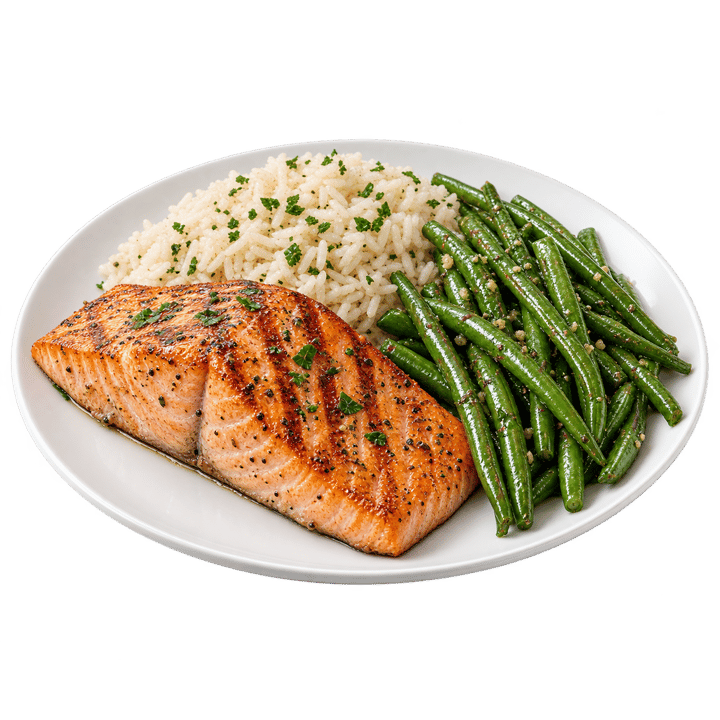
In 2015 researchers gave 11 adults with type 2 diabetes the same 628 calorie meal on two days, a week apart. It was ciabatta bread and orange juice, a grilled chicken breast, a lettuce and tomato salad with vinaigrette, and steamed broccoli with butter. On one day they ate the bread and juice first and the chicken and vegetables 15 minutes later. On the other day they ate it the other way round.
| Minutes after | Bread and juice first | Bread and juice last | Lower by |
|---|---|---|---|
| 0 | 107 mg/dL | 107 mg/dL | Same start |
| 30 | 157 mg/dL | 112 mg/dL | 29% |
| 60 | 199 mg/dL | 126 mg/dL | 37% |
| 120 | 169 mg/dL | 141 mg/dL | 17% |
Over the two hours, the total rise in blood sugar was 73% smaller with the carbs last, and insulin was lower at one and two hours. The vegetables first calculator shows the two curves.
Has anyone repeated it?
The same group ran a bigger version in 2017. Sixteen people with type 2 diabetes ate one meal three ways: carbs first, carbs last, or everything together. With the carbs last, the total rise was 53% smaller than with the carbs first, and the peak was 54% lower.
In Japan, a team ran it as advice over two years. They split 101 people with type 2 diabetes between a simple plan of eating vegetables before carbohydrate and a standard plan of counted food exchanges. Long-term blood sugar (HbA1c) fell from 8.3% to 6.8% on the vegetables-first plan and from 8.2% to 7.3% on the standard one.
A simple way to picture it
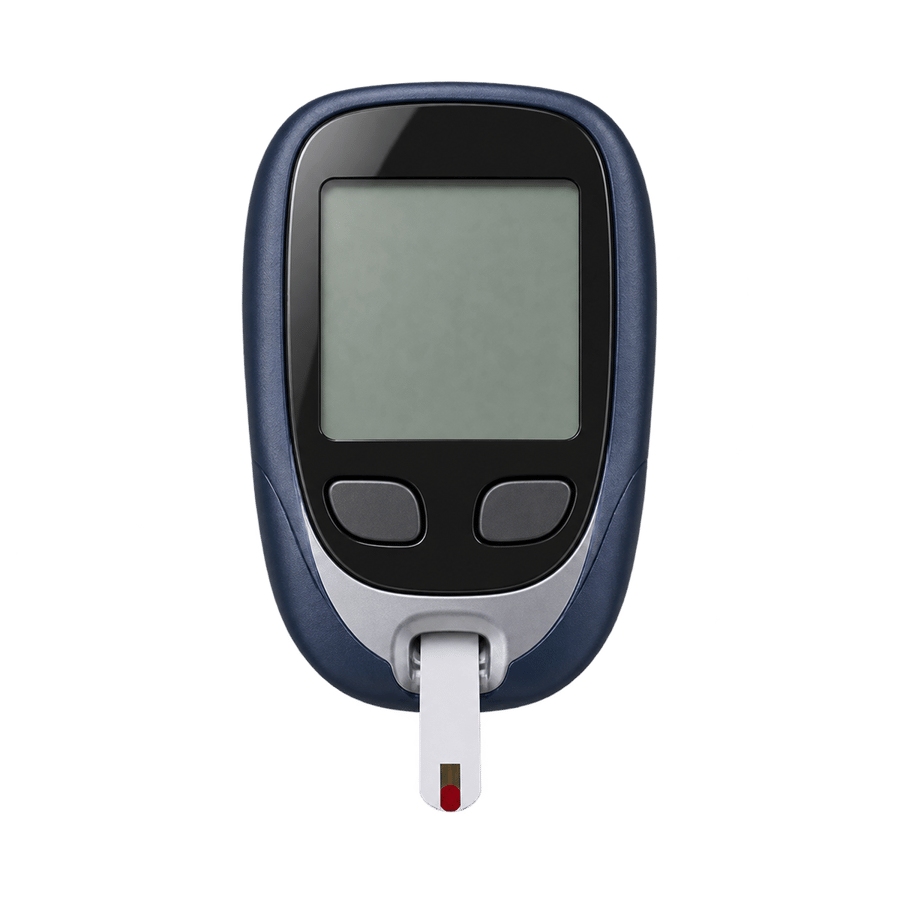
Think of a highway on-ramp with a traffic light that lets cars on one at a time. The same number of cars end up on the highway, but they join in a trickle instead of a jam. Eating the vegetables and protein first seems to work like that light, so the sugar from the bread reaches your blood over a longer stretch.
Why does the order change it?
Nobody has pinned it down yet, and the 2015 authors said the mechanism still needs study. The 2017 trial found one clue. GLP-1, a gut hormone released when you eat, ran higher when the carbs came last. Insulin was lower too, which the 2015 team said may mean the meal pattern improves insulin sensitivity.
What it doesn’t do
It doesn’t change what’s on the plate. A cup of white rice eaten last still has 0.6 g of fiber and the same fast carbs, so the plate’s Glucose and Nutrients meters on the meal checker stay where they were. Order is something you do on top of the plate, and the checker grades the plate. It doesn’t change the calories either, so it isn’t a weight loss method on its own, and none of these trials measured weight.
A soda is a hard case too. The trials had orange juice as part of the meal, eaten last, but a soda sipped through the whole meal can’t be last. And the 2026 US guidelines’ 10 g line for added sugar in one meal still applies, whatever order the meal comes in.
How to do it
- At home, eat the vegetables, then the protein, then the starch. The trials left 15 minutes before the carbs, but a few bites of vegetables first is the easy version.
- At a restaurant, order a side salad or a vegetable starter, and leave the bread basket until the main arrives.
- With a bowl, eat from the top, where the greens and the protein usually sit, and leave the rice at the bottom for last.
- With a sandwich, the order is fixed, so eat a vegetable side first.
Who it’s for
The best evidence is in adults with type 2 diabetes who were taking metformin. If you have prediabetes, or you just want a steadier afternoon, it costs nothing to try. If you take insulin or another drug that can cause low blood sugar, talk to your care team before you change how you eat around your doses. glucose.guide covers blood sugar more widely.
Try it on yourself
If you wear a continuous glucose monitor, eat the same meal on two days with the starch first and then last, and compare the curves. glucose.guide has what the curve after a meal means.
4 sources
- Shukla et al., Food order has a significant impact on postprandial glucose and insulin levels, Diabetes Care, 2015pmc.ncbi.nlm.nih.gov
- Shukla et al., Carbohydrate-last meal pattern lowers postprandial glucose and insulin excursions in type 2 diabetes, BMJ Open Diabetes Research and Care, 2017pmc.ncbi.nlm.nih.gov
- Imai et al., A simple meal plan of 'eating vegetables before carbohydrate' was more effective for achieving glycemic control than an exchange-based meal plan in Japanese patients with type 2 diabetes, Asia Pacific Journal of Clinical Nutrition, 2011europepmc.org
- US Department of Agriculture and US Department of Health and Human Services, Dietary Guidelines for Americans, 2025 to 2030, January 2026cdn.realfood.gov