What makes a meal healthy? The six jobs every plate does
On this page
- Why does your body need supplies at all?
- A meal has six jobs
- Are some foods healthier than others?
- A simple way to picture it
- One plate, fixed in one move
- Why a burger can beat a salad
- How the grade works
- The bad grades we see most
- What an A+ meal looks like
- Why is eating out the hard part?
- The guide, system by system
- What changed since our old guides
- The simple plan
Every meal is a supply run. Your body can’t make its own vitamin C, or nine of the amino acids it builds itself from, so it has to bring them in. A good meal does six jobs, Energy, Processing, Muscle, Hunger, Nutrients and Glucose, and almost no single food does all of them. Some foods do next to none, most good foods do one or two, and a few do a lot. Build the plate so that together they cover all six.
What we’d do
Treat each meal as a supply run and check it on the six jobs. Does it fit your day, is it mostly real food, does it have enough protein, will it hold you until the next meal, does it bring minerals and vitamins, and will it keep your blood sugar steady? Keep the foods that do almost none of these for now and then, lean on the ones that do several, and use the one-job foods (an oil, nuts, a starch) to finish the plate. A plate that does all six is an A, most plates are one swap away, and healthy meal ideas has twenty that already clear all six or show the swap.
We judge the plate rather than the food because even the best foods miss a job or two in a normal portion. A burger can do all six jobs, and a side salad can do two. Once you can see the jobs, you can build meals you like that do all of them.
If you remember three things
- Your body runs on imports. It can’t make vitamin C or nine of the amino acids, so a meal has to bring them, along with the rest of the six jobs.
- Foods do different numbers of jobs. A doughnut does almost none, olive oil one or two, and eggs, beans and salmon most of them.
- Fix the one the plate misses. A plate has to clear all six to be an A. Swap white rice for beans, fries for a baked potato, or juice for a whole orange, and most plates jump a letter or two.

Why does your body need supplies at all?
The International Space Station can’t grow what its crew needs, so it lives on deliveries. On October 15, 2026, a SpaceX Dragon docked with more than 6,300 pounds of food, supplies and equipment for the crew. Singapore works the same way at the size of a country. It imports more than 90% of its food, from over 180 countries and regions.
Your body is the same kind of system, and evolution made it that way. Most mammals make their own vitamin C. Our primate ancestors lost the working gene for it about 61 million years ago (guinea pigs and some bats lost theirs too), so every bit of yours has to come from food. Protein works the same way. Your body builds its proteins from 20 amino acids, and 9 of them it can’t make at all. Researchers who compared genomes found that animals lost the ability to make those nine once they started eating other living things, since food brought them in ready-made.
It’s an outsourcing deal. Over millions of years the body stopped making what its food reliably brought, and in return it has to keep the supply coming. A meal can taste great and fill you up and still leave some of the shelves empty, which is why it helps to check what it brings.
The deal was made with food, so food is the natural way to keep it. If you want to, and if you can, real meals bring the whole list, with protein, fiber and fullness along with the vitamins. A pill brings only part of one job. The 2026 US guidelines put it in three words, “eat real food”, and a normal day of A plates covers far more than the label’s vitamin C. Supplements have their place (pregnancy, a vegan diet, older age, a GLP-1 drug), and can you get all your nutrients from food has who needs which.
A meal has six jobs
These are the six systems Gyroscope grades every meal on. Gyroscope’s Food XRAY page says the grades “look at all the important variables to optimize”, from muscle and hunger to glucose spikes, processing and nutrient density. Each system has its own page here, with the science and the plates.
 EnergyIs it the right size for your day?Your day over your meals, give or take a quarter
 ProcessingIs it food, or a product made to be eaten fast?70% or more of the calories whole food
 MuscleDoes it bring enough protein to keep and build muscle?Your share of 1.2 to 1.6 g per kg a day
 HungerWill it hold you until the next meal?Protein, fiber and real food for the calories
 NutrientsDoes it bring minerals and vitamins for its calories?Its share of the Daily Values, plus plants
 GlucoseDoes it keep your blood sugar steady?Few fast carbs, with protein and fiber beside them
- Energy, the right size for your day. Your day’s calories over your meals, give or take a quarter. At 2,000 calories over three meals that’s 500 to 830 a plate, and tdee.guide works out your day. A light plate costs you little, and a big one uses up the rest of your day.
- Processing, food you could name. In a 2019 NIH study, people who could eat as much as they wanted ate about 500 more calories a day on ultra-processed meals than on whole food, and ate them faster. Processing is one job of six, though, and never the grade on its own, which processing.guide explains.
- Muscle, enough protein. The 2026 US guidelines say to put protein at every meal, at 1.2 to 1.6 g per kg of body weight a day. For a 170 lb person eating three times, that’s about 30 to 40 g a plate, and protein.guide has the per-meal science. The Gyroscope app personalizes yours. High protein meals has 18 plates that get there and do the other five jobs too.
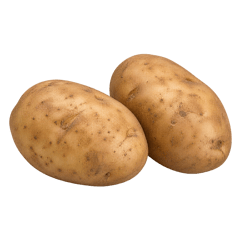
- Hunger, a plate that holds you. Protein, fiber and food with water in it keep you full. In a 1995 test of 38 foods at 240 calories each, boiled potatoes kept people about seven times fuller than a croissant.
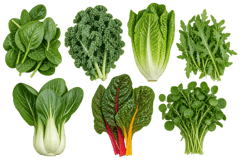
- Nutrients, minerals and vitamins for the calories. A plate that uses a third of your day’s calories should bring about a third of the day’s calcium, potassium, iron and vitamins. Vegetables, fruit and beans do most of that, and more than 90% of US women and 97% of men don’t get enough fiber.
- Glucose, steady blood sugar. Added sugar, juice and white starch hit fast, and protein and fiber on the same plate slow them down (glucose.guide has what a spike does). The 2026 guidelines say one meal should have no more than 10 g of added sugar, about two and a half teaspoons.
Are some foods healthier than others?
Yes, and the six jobs show you how. Each card below is a whole plate of one food, as much of it as fits a plate for a 170 lb person eating 2,000 calories a day. Sizing it that way takes Energy out of the picture, so the card shows the other five jobs and how many the food clears on its own. Nobody eats a plate of olive oil. The point is to see what each food brings to the run.
Poor value: foods that fail almost every job
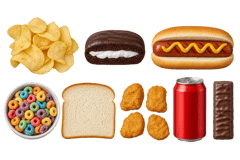
A plate of glazed doughnuts or fries clears none of the five. They’re ultra-processed, short on protein, light on fiber and vitamins, and quick to raise your blood sugar. You can still have them. They just bring very little of what the supply run is for, so they’re the ones to keep for now and then.

Glazed doughnuts
A plate of it: 2¾ medium glazed doughnuts, 670 calories, 11 g protein
- Processingprocessed0% whole food
- Musclevery low11 g protein
- Hungerlight1.9 g fiber, 4 cal a gram
- Nutrientslow0 cups of plants
- Glucosea spike72 g fast carbs

French fries
A plate of it: 2¼ small orders of french fries, 650 calories, 9 g protein
- Processingprocessed0% whole food
- Musclevery low9 g protein
- Hungerlight6.8 g fiber, 3.4 cal a gram
- Nutrientslow0 cups of plants
- Glucosea spike70 g fast carbs
Good foods that do one or two jobs
Most of the foods people call healthy are great at one thing. Olive oil is almost pure fat, about 70% of it the monounsaturated kind, and under the FDA’s 2024 rule it can say “healthy” on the label. It’s one of the best ways to add fat to a meal. But on its own it brings no protein, no fiber and almost none of the minerals and vitamins the checker counts, so a plate of it clears only Processing and Glucose. Avocado and almonds are the same story with more fiber and some protein, closer but still short.
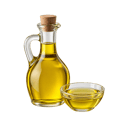
Olive oil
A plate of it: 5½ tbsp olive oil, 650 calories, 0 g protein
- Processingwhole100% whole food
- Musclevery low0 g protein
- Hungerlight0 g fiber, 0 cal a gram
- Nutrientslow0 cups of plants
- Glucosesteady0 g fast carbs
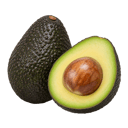
Avocado
A plate of it: 13¼ oz avocado, 660 calories, 13 g protein
- Processingwhole100% whole food
- Musclevery low13 g protein
- Hungersome18.6 g fiber, 1.8 cal a gram
- Nutrientssome0 cups of plants
- Glucosesteady0 g fast carbs
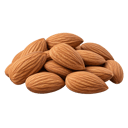
Almonds
A plate of it: 4 oz almonds, 660 calories, 24 g protein
- Processingwhole100% whole food
- Musclelow24 g protein
- Hungersome13.2 g fiber, 5.9 cal a gram
- Nutrientssome0 cups of plants
- Glucosesteady0 g fast carbs
Nearly foolproof: foods that do many jobs at once
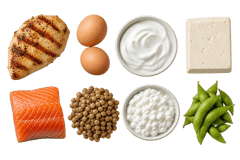
A few foods carry most of a meal by themselves. A plate of nothing but lentils clears all five, since lentils bring protein, fiber, potassium and iron with slow carbs, and black beans are right on the line. Eggs, salmon and Greek yogurt bring far more protein than a plate needs and clear Processing and Glucose too. They fall short only on fiber and some vitamins, so a vegetable beside them finishes the job.
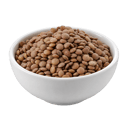
Lentils
A plate of it: 3 cups lentils, 690 calories, 54 g protein
- Processingwhole100% whole food
- Musclehigh54 g protein
- Hungerfilling46.8 g fiber, 1.2 cal a gram
- Nutrientsdense3 cups of plants
- Glucosesteady0 g fast carbs

Eggs
A plate of it: 8½ eggs, 660 calories, 51 g protein
- Processingwhole100% whole food
- Musclehigh51 g protein
- Hungersome0 g fiber, 1.6 cal a gram
- Nutrientssome0 cups of plants
- Glucosesteady0 g fast carbs
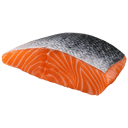
Salmon
A plate of it: 3½ palms salmon, 640 calories, 81 g protein
- Processingwhole100% whole food
- Musclehigh81 g protein
- Hungersome0 g fiber, 2.2 cal a gram
- Nutrientslow0 cups of plants
- Glucosesteady0 g fast carbs

Greek yogurt
A plate of it: 6¾ containers Greek yogurt, 670 calories, 115 g protein
- Processingwhole100% whole food
- Musclehigh115 g protein
- Hungersome0 g fiber, 0.6 cal a gram
- Nutrientssome0 cups of plants
- Glucosesteady0 g fast carbs
Even the foolproof foods miss something in a normal portion, and nobody eats three cups of lentils for dinner. That’s why the plate is what you judge. The FDA’s “healthy” label is a sensible rule for one product on a shelf, but a glass of water and a spoon of olive oil are both healthy by that rule, and together they aren’t a meal.
When Gyroscope started grading meals, one of the questions we got most was some version of “why did this get a bad grade, when it’s supposed to be healthy?” The answer was nearly always the same. The food was fine, and the plate was missing a job, usually protein.
A simple way to picture it
Think of a plate as a report card with six subjects. Each one gets a score out of 100, and the grade is the average. A plate that aces three subjects and fails the other three comes out at about half marks, however good those three are. And like a report card, one failing subject keeps you off the honor roll. A plate that misses any line can’t be higher than a B+, so a gorgeous salad with no protein never gets an A.
The quickest way to lift an average is to fix the worst subject, which is why the meal checker gives you one change at a time instead of a new plate.
One plate, fixed in one move
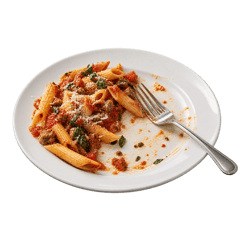
Take a dinner most people would call healthy, a palm of chicken breast, a cup of white rice, a cup of broccoli and a spoon of olive oil. It clears all six lines, but only just on Nutrients and Glucose, so it averages a B+. White rice brings almost no fiber and few minerals, and its carbs are the fast kind.
Swap the rice for a cup of black beans and nothing else changes. Beans bring protein, fiber, potassium and iron, and their carbs are slow, so Muscle, Hunger, Nutrients and Glucose all go up at once and the plate is an A+. More plates like these, each with its one change, are in A+ meals.


Chicken, white rice and broccoli
1 palm chicken breast, 1 cup white rice, 1 cup broccoli, 1 tbsp olive oil
510 calories, 36 g protein, 5.1 g fiber
- Energyfits510 cal
- Processingwhole100% whole food
- Musclehigh36 g protein
- Hungerfilling5.1 g fiber, 1.2 cal a gram
- Nutrientsdense1 cup of plants
- Glucosesteady44 g fast carbs
The one changeSwap the white rice for black beans and it's A+

The same plate with black beans
1 palm chicken breast, 1 cup black beans, 1 cup broccoli, 1 tbsp olive oil
530 calories, 47 g protein, 19.5 g fiber
- Energyfits530 cal
- Processingwhole100% whole food
- Musclehigh47 g protein
- Hungerfilling19.5 g fiber, 1.2 cal a gram
- Nutrientsdense2 cups of plants
- Glucosesteady0 g fast carbs
The one changeNone. It clears all six.
Why a burger can beat a salad
The six jobs also explain the results that surprise people. A quarter pound burger on whole wheat with lettuce, tomato and onion is an A on the checker. A side salad with cheddar and three spoons of ranch is a C. The salad does well on Nutrients and Glucose, and the burger wins on Muscle, Hunger and Processing, since bottled ranch is ultra-processed and the burger is mostly beef and vegetables.


A burger on whole wheat
1⅓ palms ground beef, 2 slices whole wheat bread, 1 tomato, 1 cup salad greens, ¼ cup onion
490 calories, 36 g protein, 6.9 g fiber

A side salad with ranch
3 cups salad greens, 3 tbsp ranch dressing, 1 oz cheddar cheese
330 calories, 11 g protein, 3 g fiber
The salad is a good side dish trying to be a meal, and the checker’s one change for it is a palm of chicken. There are more of these, a smoothie that loses to eggs, a fruit bowl that gets a C and a bowl of cereal that grades like pizza, in meals that grade the opposite of what you’d guess.
How the grade works
Each system has a meter that runs from 0 to 100 and a line it has to clear. Muscle and Hunger have to reach 80, and Processing, Nutrients and Glucose 70. Energy has to land between half a plate and the top of your window. The grade is the average of the six, on the same letter cutoffs as the Gyroscope app, so an A starts at 90 and an A+ is over 96.
In the Gyroscope app, each meal you photograph gets a grade, and its Grade page shows these six meters. The checker on this site is the free version. It works each meter out from a public food table, shows you the working, and won’t always land on the same numbers as the app. The meal checker page has every formula.
The bad grades we see most
The low grades come in a few kinds, and the old Gyroscope guide named them years ago. They still hold.
- Incomplete meals. A bag of chips, a few cookies or a beer on its own. No protein, almost no fiber and mostly ultra-processed, so five or six meters miss at once.
- Salads that are missing a part. No protein, or a bottled dressing that’s most of the calories. The leaves are the least of it, and salad.guide builds one that’s a whole meal.
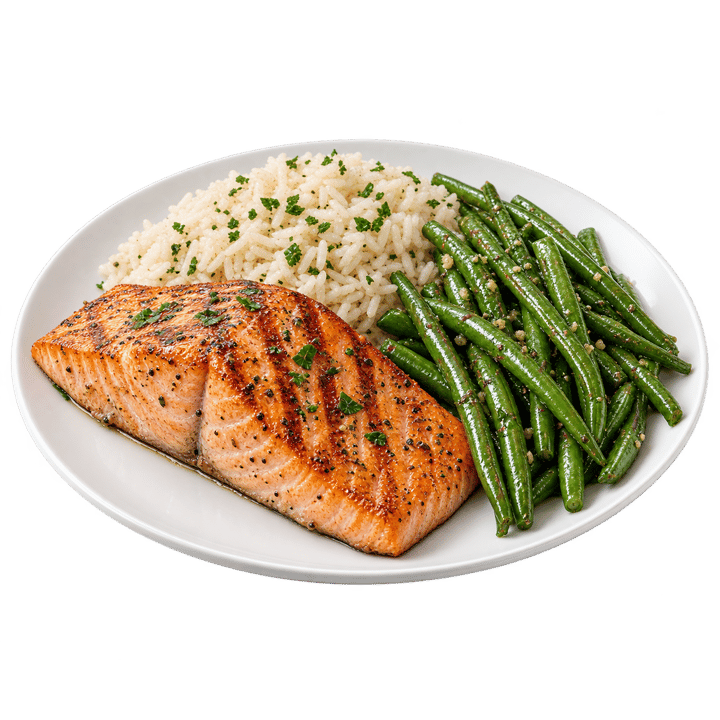
- Sweet drinks. A soda, sweet tea or a big glass of juice with a meal sinks Glucose on its own. Take the soda off a salmon, potato and green bean dinner and it goes from a C+ back to an A.
- The sweet breakfast. A muffin, a doughnut, sweetened cereal or a granola bowl with honey. These miss Muscle, Hunger and Glucose together.

A bag of chips
2 oz potato chips
300 calories, 4 g protein, 2.6 g fiber
- Energysmall300 cal
- Processingprocessed0% whole food
- Musclevery low4 g protein
- Hungerlight2.6 g fiber, 5.4 cal a gram
- Nutrientslow0 cups of plants
- Glucosea rise27 g fast carbs
The one changeSwap the chips for a handful of almonds and it's C


Granola, Greek yogurt and honey
1 container Greek yogurt, ¾ cup granola, 1 tbsp honey
410 calories, 23 g protein, 3.5 g fiber
- Energylight410 cal
- Processingprocessed40% whole food
- Musclelow23 g protein
- Hungersome3.5 g fiber, 1.7 cal a gram
- Nutrientslow0 cups of plants
- Glucosea rise49 g fast carbs
The one changeSwap the granola for oatmeal and it's C
What an A+ meal looks like
You should know what an A+ meal looks like and be able to make one when you want to. Better still is having a few in your rotation that you enjoy and can make without thinking. They don’t look like diet food. They have a clear protein, a vegetable or beans, a starch you could name and a little fat.
Chicken tacos on corn tortillas
1 palm chicken breast, 3 corn tortillas, ½ cup black beans, 1 cup salad greens, 2 tbsp salsa, ½ oz cheddar cheese
500 calories, 42 g protein, 13.3 g fiber


Chicken thighs, spinach and roasted vegetables
2 palms chicken thigh, 2 cups spinach, 1 cup carrots, 1 cup zucchini, 1 tbsp olive oil, ½ tbsp butter
620 calories, 47 g protein, 7.4 g fiber

Lentils, spinach and Greek yogurt
1 cup lentils, 2 cups spinach, 1 tomato, 1 container Greek yogurt, 1 tbsp olive oil
490 calories, 38 g protein, 18.6 g fiber
Not every meal needs to be an A+. Ice cream after dinner takes a plate down a letter or two, and that’s fine. The trouble starts when every plate is like that, or when a plate that feels healthy is missing half its jobs. Healthy meal ideas has 20 more for breakfast, lunch, dinner and cheap nights, and the meals from the old A+ guide, rebuilt on the checker, are in A+ meals and the plates that almost make it.
Why is eating out the hard part?
Restaurant plates come big and the oil and sauce are hidden. Tufts researchers measured 364 of the most ordered meals from 123 restaurants in Boston, San Francisco and Little Rock. They averaged about 1,200 calories, and 92% had more than 570, which is what a typical woman needs at one lunch or dinner. So Energy is the meter that misses most often when you eat out, with Processing and Glucose close behind. The same six jobs work on a menu, with five ordering rules on top, in what to order when you eat out.
The guide, system by system
- Energy: how many calories should a meal be? Why the same 800 calories is normal for one person and big for another.
- Processing: is processed food bad for you? What counts as ultra-processed, and why it’s one job of six.
- Muscle: how much protein should be in a meal? How much, what 30 g looks like, and why breakfast is the plate that misses.
- Hunger: why do some meals keep you full for hours? Protein, fiber, water and the boiled potato.
- Nutrients: how many vegetables should be on a plate? Minerals and vitamins for the calories, the fiber gap, and why beans and frozen vegetables are the cheapest fix.
- Glucose: which meals spike your blood sugar? Fast carbs, slow carbs, the 10 gram rule, and what protein and fiber do to a spike.
- High protein meals. Plates with 30 g or more for breakfast, lunch and dinner, graded on all six.
- High protein low calorie meals. 30 g of protein or more for about 300 calories, and plates that still fill you up.
- Healthy meal ideas. Twenty plates for breakfast, lunch, dinner, meatless nights and cheap nights.
- A+ meals and the plates that almost make it. Real plates, graded on all six, each with its one change.
- Meals that grade the opposite of what you’d guess. The burger, the smoothie, the fruit bowl and the cereal.
- What is a balanced meal? The plate in hand measures and in grams.
- Vegetables first, bread last. A free change to the same meal, at its real size.
- What to order when you eat out. Why restaurant plates run big, and five rules for the counter.
- Can you get all your nutrients from food? What a day of real food covers, and who needs a supplement.
What changed since our old guides
This guide takes over from two Gyroscope guides, A+ Meals and the Restaurant and Fast Food Ordering Guide. The core of them still holds. Think in whole meals instead of ingredients, a salad can be an A or an F, a good meal is possible almost anywhere, and the six areas the old guide graded (energy balance, processing, muscle, nutrients, hunger and glucose) are the same six systems here. These parts are new.
- Every meter has a number you can see. The site’s checker publishes the formula and the line for each system, and you can grade any plate for free.
- An A needs all six. A plate that misses one line tops out at B+, so a great salad with no protein can’t hide behind its vegetables.
- Sugar is counted per meal. The old guide flagged a day over 50 to 60 g. The 2026 guidelines set 10 g of added sugar for one meal.
- Frozen, canned and dried produce count. The guidelines now list them as good options, as long as little or no sugar is added.
- Plate size comes from your own day, with a calculator that shows the arithmetic.
- Vegetables and protein first is new, from a 2015 trial of 11 people and the trials since.
The simple plan
If you want to eat well without counting everything, this is how we’d do it.
- Eat real food first, if you want to and you can. Cook most meals from things you could name, and let the vitamins come with the protein and fiber instead of from a pill. Can you get all your nutrients from food has what food covers and when a supplement makes sense.
- Know your plate size. Put your day into the plate size calculator. At 2,000 calories over three meals, a plate is 500 to 830 calories with 30 to 40 g of protein.
- Build every plate the same way. A palm of protein, a fist or two of vegetables or beans, a starch you could name and a thumb of fat. What is a balanced meal has it in hand measures and grams.
- Grade the three meals you eat most. Put your usual breakfast, lunch and dinner into the meal checker, see which job each one misses, and make the one change it gives you. Breakfast is usually the one short on protein.
- Track it for two weeks. Write down or photograph what you eat, so you can see whether the changes stuck and which meals still miss.
- Keep a short rotation. Find three or four A plates you like from healthy meal ideas and high protein meals, and make them until you don’t need a recipe.
- Use the same six jobs when you eat out. Name the protein, add a vegetable, drink water and box half when the plate is big. What to order when you eat out has the five rules.
- Check again when your day changes. A new weight, a new goal or a GLP-1 drug changes how big your plates should be, so run them through the checker again.
The quiz grades your usual dinner and breakfast in seven taps, and every tip and study on this site is in one list, each a line long, to pass on.
15 sources
- US Department of Agriculture and US Department of Health and Human Services, Dietary Guidelines for Americans, 2025 to 2030, January 2026cdn.realfood.gov
- Drouin, Godin and Pagé, The genetics of vitamin C loss in vertebrates, Current Genomics, 2011 (the GULO gene lost in anthropoid primates about 61 million years ago)pmc.ncbi.nlm.nih.gov
- MedlinePlus, US National Library of Medicine, Amino acids (the nine essential amino acids)medlineplus.gov
- Payne and Loomis, Retention and loss of amino acid biosynthetic pathways based on analysis of whole-genome sequences, Eukaryotic Cell, 2006ebi.ac.uk
- NASA, SpaceX Dragon docks with science, supplies and roll-out solar arrays, Space Station blog, October 15, 2026nasa.gov
- Singapore Food Agency, Singapore Food Statistics 2025sfa.gov.sg
- US Food and Drug Administration, Use of the Healthy Claim on Food Labeling (final rule announced December 19, 2024)fda.gov
- US Food and Drug Administration, Daily Value on the Nutrition and Supplement Facts Labels, current as of March 2024fda.gov
- Hall et al., Ultra-processed diets cause excess calorie intake and weight gain: an inpatient randomized controlled trial of ad libitum food intake, Cell Metabolism, 2019pmc.ncbi.nlm.nih.gov
- Holt et al., A satiety index of common foods, European Journal of Clinical Nutrition, 1995ebi.ac.uk
- Thompson, The Dietary Guidelines for Americans (2020 to 2025): pulses, dietary fiber, and chronic disease risk, Nutrients, 2021 (quoting the 2020 to 2025 guidelines on fiber)pmc.ncbi.nlm.nih.gov
- Shukla et al., Food order has a significant impact on postprandial glucose and insulin levels, Diabetes Care, 2015pmc.ncbi.nlm.nih.gov
- Urban et al., Energy contents of frequently ordered restaurant meals and comparison with human energy requirements and US Department of Agriculture database information: a multisite randomized study, Journal of the Academy of Nutrition and Dietetics, 2016pmc.ncbi.nlm.nih.gov
- Gyroscope, Food XRAY (the nutrition grades)gyrosco.pe
- Gebhardt and Thomas, Nutritive Value of Foods, USDA Agricultural Research Service, Home and Garden Bulletin 72, 2002 (the meal checker's food values)ars.usda.gov