How do vegetarians get enough protein in a meal?
Put two protein foods on one plate. A cup of lentils with a container of plain Greek yogurt is about 35 g, and two eggs with a cup of chickpeas and a spinach salad is about 30 g. Beans on their own take about two cups to reach 30 g, which is a lot of beans.
The usual vegetarian plate has a protein food on it, just not enough of one. A cup of beans has about 15 g of protein, a quarter of a block of tofu about 7 g in the USDA’s table, and two eggs 12 g. Each is a good start and about half of what a 170 pound person needs at a meal.
The 2025 to 2030 US guidelines’ advice for vegetarians is to eat “especially protein-rich foods, such as dairy, eggs, beans, peas, lentils, legumes, nuts, seeds, tofu, or tempeh,” and to “significantly limit highly processed vegan or vegetarian foods.”
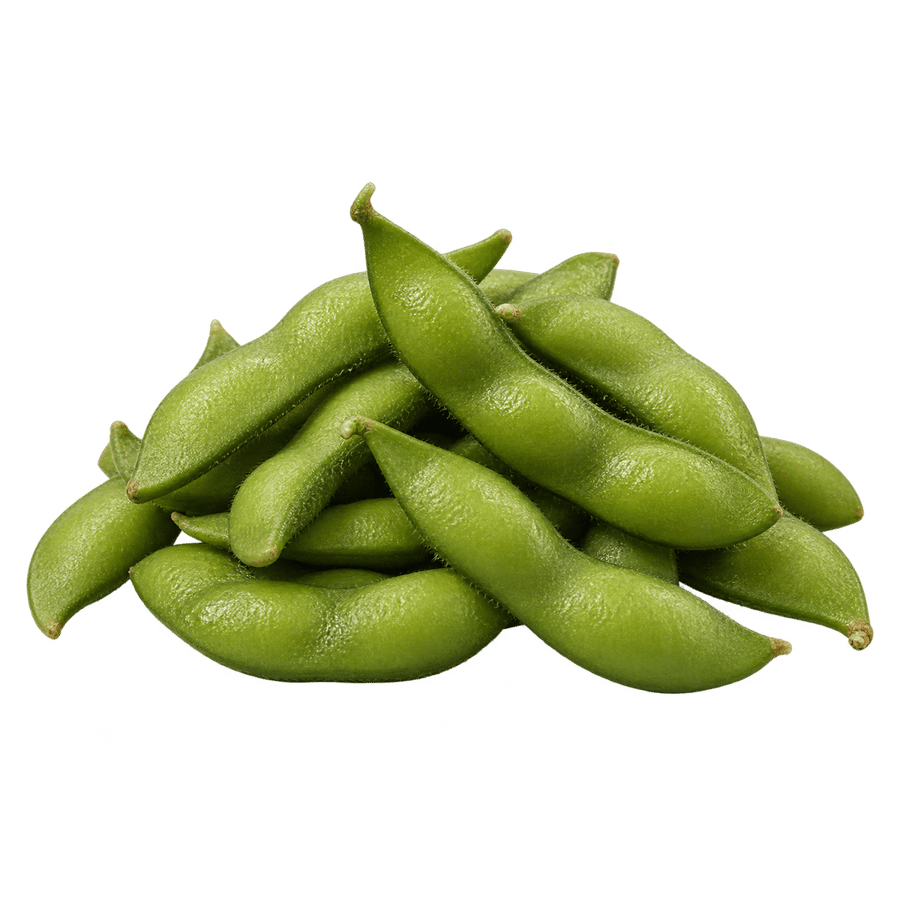
We’d anchor each plate with one dense protein (Greek yogurt, cottage cheese, eggs, edamame or tofu) and add beans or lentils as the second. Two half-portions make one full one.
It’s like filling a jar with rocks and sand. The big protein goes in first, and the beans fill in around it.
The vegetarian protein foods
The numbers come from the USDA’s nutrient tables.
| Food | Amount | Protein | Calories |
|---|---|---|---|
| Cottage cheese | 1 cup | 26 g | 215 |
| Edamame | 1 cup | 18 g | 190 |
| Lentils | 1 cup | 18 g | 230 |
| Plain nonfat Greek yogurt | 1 container (170 g) | 17 g | 100 |
| Black beans | 1 cup | 15 g | 225 |
| Chickpeas | 1 cup | 15 g | 270 |
| Eggs | 2 large | 12 g | 155 |
| Peanut butter | 2 tablespoons | 8 g | 190 |
| Tofu | ¼ block (81 g) | 7 g | 60 |
| Cheddar | 1 oz | 7 g | 115 |
| Almonds | 1 oz | 6 g | 165 |
Tofu varies a lot by brand and firmness, so check the label on yours.
Plates that reach the line
For a 170 pound person on 2,000 calories over three meals, the line is 30 g.
| Plate | Protein | Grade |
|---|---|---|
| A cup of lentils, a container of Greek yogurt, two cups of spinach, half a cup of brown rice | 39 g | A+ |
| Two eggs, a cup of chickpeas, a spinach salad with tomato and olive oil | 30 g | A |
| A cup of black beans, half a cup of brown rice, cheese, salsa, lettuce and peppers | 26 g | B+, a little short on protein |
| A cup of lentils, a cup of white rice and spinach | 24 g | B, short on protein |
The bean and lentil plates sail through Hunger and Nutrients, with 15 to 20 g of fiber, about twice what a plate needs. Muscle is the one meter to watch. A plate that misses it can’t be an A, however well it does on the other five, which is why the bean bowl stops at B+. The white rice plate misses Glucose too, since a cup of white rice is fast carbs.
If you’re vegan
Drop the yogurt, eggs and cheese and lean on edamame, tofu, tempeh, lentils and beans. Two of them on one plate gets most people there. The US guidelines also point out that vegan diets can fall short on vitamin B12, calcium, iron and zinc, among others, so ask a doctor or dietitian about a supplement.
What to do
- Pick a dense protein first: Greek yogurt, cottage cheese, eggs, edamame or tofu.
- Add beans or lentils as the second protein.
- Check the plate in the meal checker. If Muscle is the miss, the fix is usually one more scoop.
High protein meals has meatless plates over 30 g, and healthy meal ideas has more.
4 sources
- US Department of Agriculture and US Department of Health and Human Services, Dietary Guidelines for Americans, 2025 to 2030, January 2026cdn.realfood.gov
- Gebhardt and Thomas, Nutritive Value of Foods, Home and Garden Bulletin 72, USDA Agricultural Research Service, 2002ars.usda.gov
- USDA National Nutrient Database, Yogurt, Greek, plain, nonfat, via nutritionvalue.orgnutritionvalue.org
- USDA National Nutrient Database, Edamame, frozen, prepared, via nutritionvalue.orgnutritionvalue.org