How much sugar is too much in one meal?
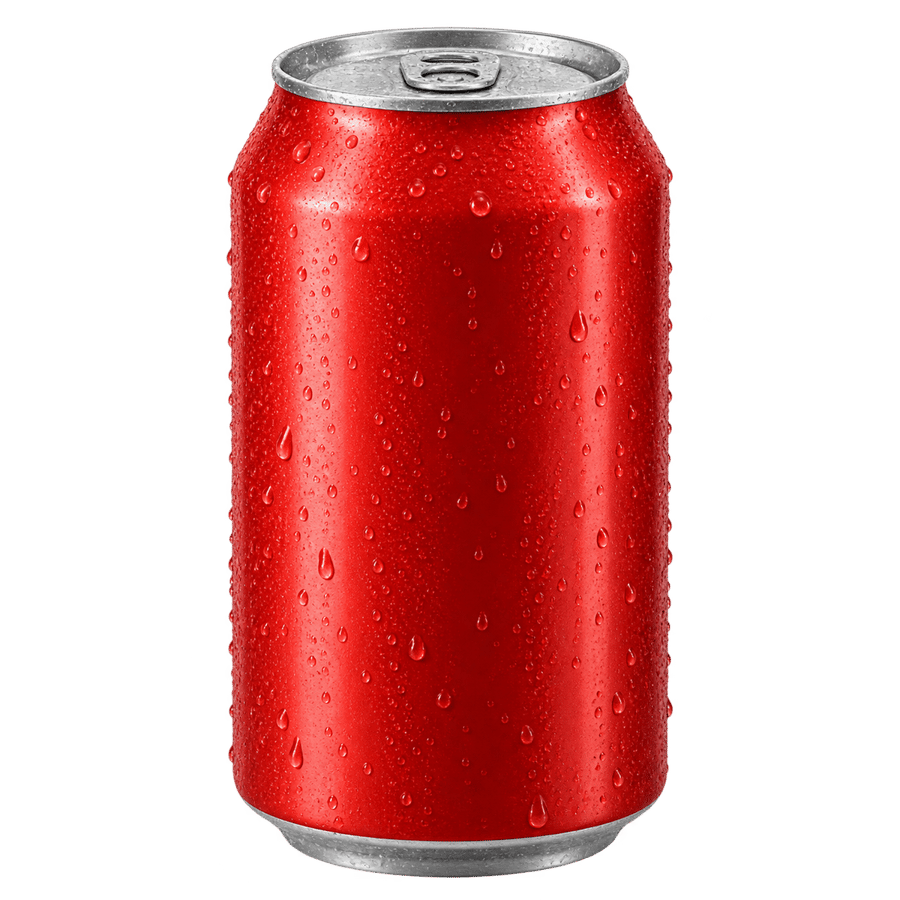
No more than 10 g of added sugar in one meal. That’s the line in the 2025 to 2030 US guidelines, and it’s about two and a half teaspoons, or four sugar cubes. A 12 oz can of soda has about 37 g, nearly four meals’ worth on its own.
The January 2026 US guidelines say “one meal should contain no more than 10 grams of added sugars.” In the same sentence they say no amount of added sugar is recommended at all. That makes 10 g the most a meal should have, and less is better.
People get two things wrong about it. The first is fruit. The sugar in whole fruit and plain milk isn’t added sugar, and the guidelines say so. The second is the “natural” sweeteners. Honey and fruit juice concentrate are on the guidelines’ own list of added sugars, right next to high fructose corn syrup.
We’d start with the drink. Water or unsweetened tea with every meal clears the 10 g line for most plates before you do anything else. After that, look at sauces and breakfast, which is where the rest hides.
Ten grams is about what’s in two tablespoons of barbecue sauce, which uses up the whole meal’s allowance in one dip.
Where does the sugar hide?
Our checker counts all the sugar in sweetened foods, since the USDA table it uses doesn’t split added from natural. Values are from the USDA’s Nutritive Value of Foods and USDA records.
| Food | Amount | Sugar | Meals’ worth |
|---|---|---|---|
| Cola | 12 oz can | 37 g | 3.7 |
| Sweet tea | 8 oz | 25 g | 2.5 |
| Blueberry muffin | 1 | 18 g | 1.8 |
| Honey | 1 tablespoon | 17 g | 1.7 |
| Doughnut | 1 medium | 14 g | 1.4 |
| Maple syrup | 1 tablespoon | 13 g | 1.3 |
| Granola | ¾ cup | 12 g | 1.2 |
| Barbecue sauce | 2 tablespoons | 11 g | 1.1 |
| Ketchup | 1 tablespoon | 3 g | 0.3 |
Plain foods like eggs, meat, fish, vegetables, beans, rice, plain yogurt, milk and fruit count zero.
What does that do to a meal’s grade?
A cheeseburger, small fries and a 12 oz soda comes to about 41 g of sugar and grades D in our meal checker. Swap the soda for water and the same meal goes from D to C, because the can’s 37 g of sugar was most of what sank its Glucose meter, and the plate gets about 150 calories smaller. Glucose is one of the six jobs a meal does, and added sugar is its biggest part. It also counts the carbs in juice and in white starches like rice and white bread, since they hit your blood fast too.
For snacks, the guidelines use a different rule borrowed from the FDA’s “Healthy” label. A yogurt snack, for example, shouldn’t have more than 2.5 g of added sugar per two-thirds of a cup.
What to do
- Drink water or something unsweetened with meals.
- Read the label on sauces, yogurt, granola and cereal. Added sugars hide under names ending in “-ose” and anything called syrup.
- Use fruit for sweet. Berries on plain yogurt instead of fruit-flavored yogurt.
- Check your plate in the meal checker, which shows it on the Glucose meter.
4 sources
- US Department of Agriculture and US Department of Health and Human Services, Dietary Guidelines for Americans, 2025 to 2030, January 2026cdn.realfood.gov
- USDA National Nutrient Database, Beverages, regular, cola, carbonated, via nutritionvalue.orgnutritionvalue.org
- USDA National Nutrient Database, Sugars, granulated, via nutritionvalue.orgnutritionvalue.org
- Gebhardt and Thomas, Nutritive Value of Foods, Home and Garden Bulletin 72, USDA Agricultural Research Service, 2002ars.usda.gov