How many vegetables should be on a plate?
On this page
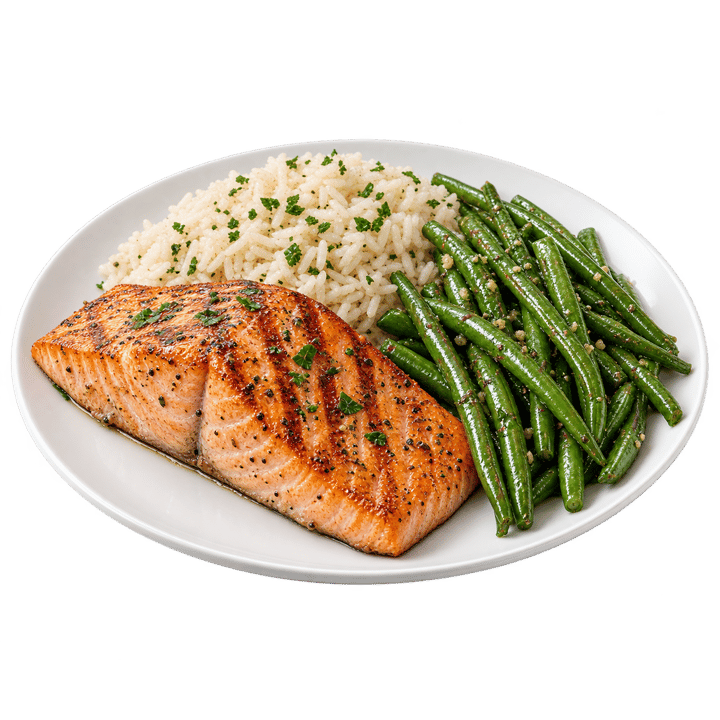
About 1¾ cups of vegetables or fruit on each plate covers the day’s 5 servings at 2,000 calories over three meals. A cup of cooked or raw vegetables is one serving, two cups of leafy greens are one serving, and beans count too. In hands, that’s a fist or two.
Most people think they eat plenty of vegetables, because there’s usually something green on the plate. In a 2019 CDC survey, only 10% of US adults ate the recommended amount of vegetables, and 12% the recommended fruit. The lettuce and tomato on a burger, or a few leaves next to the main dish, don’t add up to much.
We’d put two fists of plants on every plate, and make at least one of them something other than lettuce: broccoli, green beans, carrots, peas, a potato, beans or fruit.
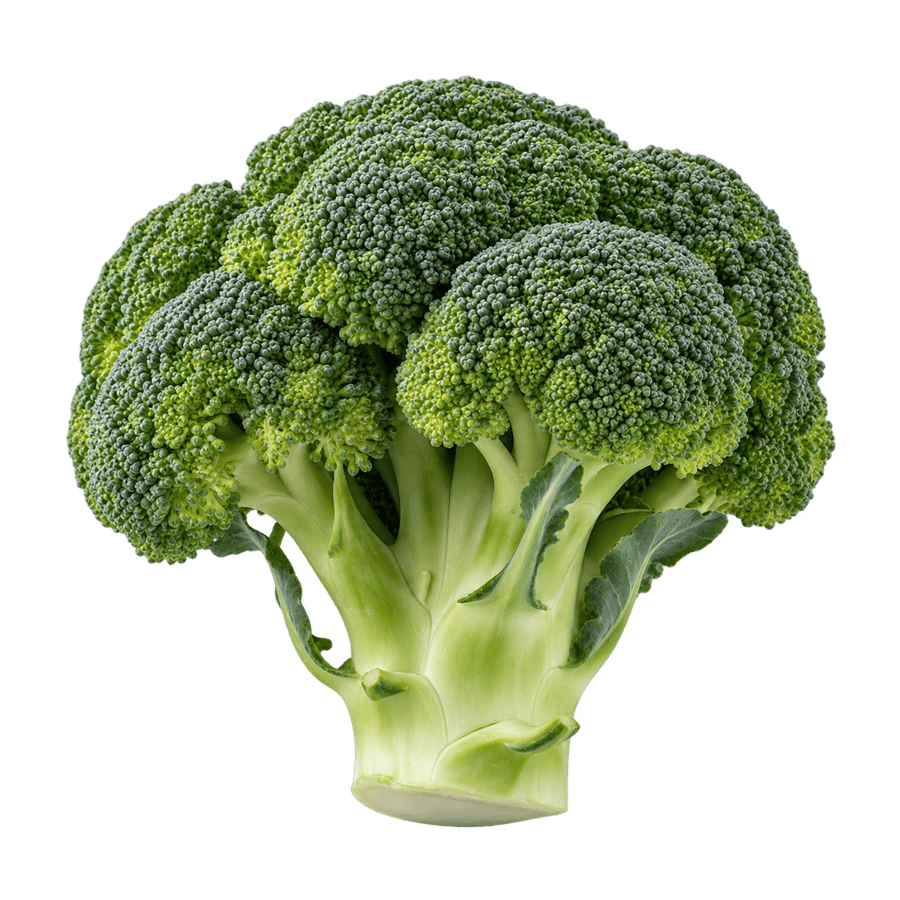
Counting servings works like counting coins. A cup of broccoli is a dollar. A cup of lettuce is fifty cents, because leafy greens are mostly air and water, and the US serving table counts two cups of them as one serving.
How much for my day?
The 2025 to 2030 US guidelines’ daily servings, split over three meals.
| Your day | Vegetables | Fruit | Each plate |
|---|---|---|---|
| 1,600 | 2½ servings | 1½ | about 1¼ cups |
| 2,000 | 3 | 2 | about 1¾ cups |
| 2,400 | 3½ | 2 | about 1¾ cups |
| 2,800 | 4¼ | 2½ | about 2¼ cups |
What counts as one serving?
| Food | One serving |
|---|---|
| Cooked or raw vegetables (broccoli, carrots, green beans, peppers) | 1 cup |
| Leafy greens (lettuce, spinach) | 2 cups |
| Beans, peas and lentils | 1 cup on the vegetable side, or ½ cup as a protein |
| Potatoes, corn and other starchy vegetables | 1 cup |
| Fresh fruit | 1 cup |
| Dried fruit | ½ cup |
Two things surprise people here. The US serving table counts starchy vegetables like potatoes and corn as vegetables, so a medium baked potato counts as about one serving. And the guidelines say 100% juice should be limited or watered down, so our checker doesn’t count juice at all, or fries.
Why plants and fiber are counted in different places
A plate can have plenty of fiber from whole grains and still have no vegetables, or plenty of lettuce and almost no fiber. That’s why our meal checker counts them separately. Fiber is part of the Hunger meter, since it helps fill you. Cups of vegetables, fruit and beans are part of the Nutrients meter, next to the minerals and vitamins they bring. Chicken, white rice and broccoli has one cup of plants and clears Nutrients, but only just. Add a side salad and Nutrients jumps from 75 to 89 out of 100, and the plate goes from a B+ to an A.
What to do
- Fill half the plate with plants before the starch goes on.
- Keep frozen vegetables in the freezer. The guidelines say frozen vegetables with no added sugar “can also be good options.”
- Count beans twice. They’re a vegetable and a protein.
- See your number in the plate size calculator.
4 sources
- US Department of Agriculture and US Department of Health and Human Services, Daily Servings by Calorie Level, 2025 to 2030cdn.realfood.gov
- US Department of Agriculture and US Department of Health and Human Services, Dietary Guidelines for Americans, 2025 to 2030, January 2026cdn.realfood.gov
- Lee et al., Adults meeting fruit and vegetable intake recommendations, United States, 2019, Morbidity and Mortality Weekly Report, 2022cdc.gov
- Gebhardt and Thomas, Nutritive Value of Foods, Home and Garden Bulletin 72, USDA Agricultural Research Service, 2002ars.usda.gov