Is pasta a healthy meal?
On this page
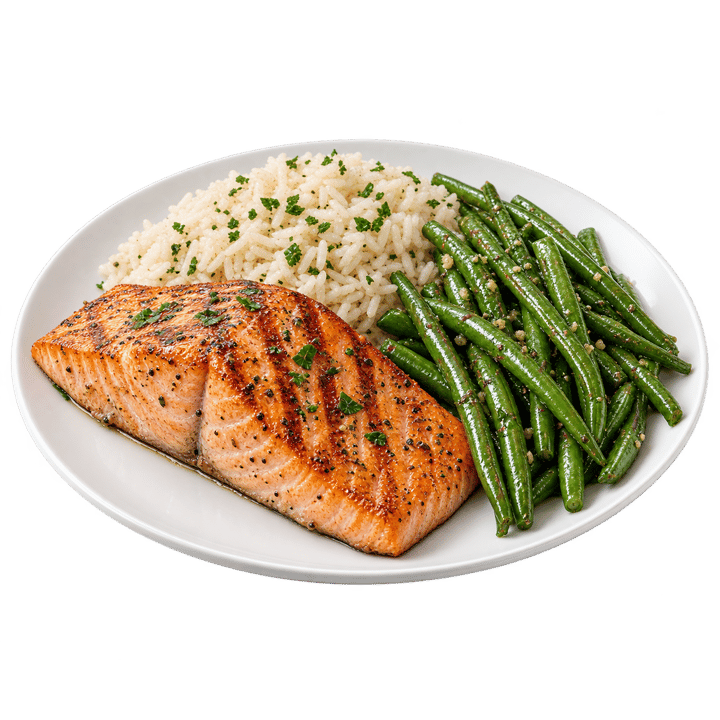
Pasta on its own is a starch, and a big bowl of it with red sauce grades C in our checker. Add a palm of chicken and a cup of broccoli and the same pasta grades B+, because now the bowl has a protein and a vegetable. Make the pasta whole wheat and it’s an A+.
Pasta gets it from both sides. Low-carb fans call it the thing that makes you fat. Mediterranean fans call it health food. Both sides talk about the noodle and ignore what’s next to it.
The fattening part doesn’t hold up. In 2018, researchers pooled 32 trial comparisons with 2,448 adults where pasta was eaten as part of a low glycemic diet (one built on foods that raise blood sugar slowly). People lost a little weight, about 1.4 pounds (0.63 kg) more than people on higher glycemic diets. No trial tested pasta on its own, so that’s pasta inside an otherwise sensible diet.
We’d keep the pasta and fix the bowl: a fist or a fist and a half of pasta, a palm of protein, a fist of vegetables. Whole wheat pasta if you like it, since it has more than twice the fiber.
Plain pasta is a lot like a bowl of plain rice. Nobody calls rice a meal until something goes on it.
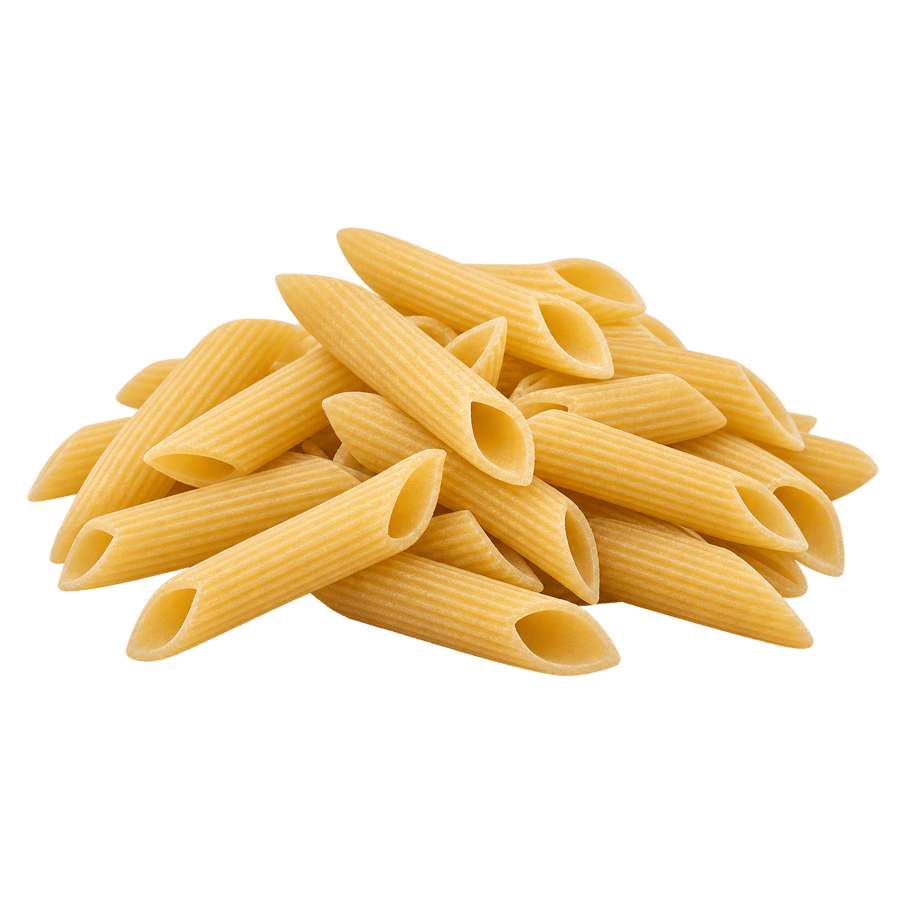
How do different pasta bowls grade?
The grades are for a 170 pound person eating 2,000 calories over three meals.
| Bowl | Calories | Protein | Grade | What it misses |
|---|---|---|---|---|
| 2 cups of spaghetti, marinara and parmesan | 490 | 18 g | C | Muscle, Hunger, Nutrients and Glucose |
| Spaghetti with meat sauce (2 cups pasta, a palm of beef) | 720 | 39 g | B | Nutrients and Glucose |
| Boxed mac and cheese, 2 cups | 400 | 16 g | C | Processing, Muscle, Hunger and Nutrients |
| 1½ cups of spaghetti, marinara, a palm of chicken, a cup of broccoli | 570 | 46 g | B+ | Glucose |
| The same with whole wheat pasta | 540 | 46 g | A+ | Nothing |
The meat sauce bowl is the one that surprises people. It has plenty of protein, and it still misses two of the six jobs a meal does, because there isn’t a vegetable in it and two cups of white pasta are a lot of fast carbs. Our checker’s one change is whole wheat pasta, which fixes Glucose and takes it to a B+. Make it one cup of pasta with a cup of broccoli beside it and it’s an A.
Why does whole wheat help?
A cup of cooked spaghetti has about 200 calories and 2 g of fiber. A cup of whole wheat spaghetti has about 175 calories and 6 g. On a plate that needs about 9 g of fiber, that’s the difference between needing a big vegetable side and not. It also changes how the checker’s Glucose meter sees the carbs. White spaghetti has about 17 g of carbs for every gram of fiber, so it counts as fast. Whole wheat has about 6, under the 10 to 1 line, so it counts as slow. The 2025 to 2030 US guidelines ask for fiber-rich whole grains too.
What about pasta at a restaurant?
That’s where it gets big. Tufts researchers measured the calories in 364 popular meals at restaurants in Boston, San Francisco and Little Rock, and Italian meals averaged about 1,550 calories, the most of any cuisine they tested. That’s about two plates’ worth for most people. Order a pasta with a protein in it, add a side salad, and box half.
What to do
- Measure the pasta once. A cup of cooked pasta is about a fist.
- Add a palm of protein: chicken, shrimp or ground turkey, or a cup of white beans.
- Add a fist of vegetables, in the sauce or on the side.
- Check your bowl in the meal checker.
4 sources
- Chiavaroli et al., Effect of pasta in the context of low-glycaemic index dietary patterns on body weight and markers of adiposity: a systematic review and meta-analysis of randomised controlled trials in adults, BMJ Open, 2018europepmc.org
- Urban et al., Energy contents of frequently ordered restaurant meals and comparison with human energy requirements and US Department of Agriculture database information: a multisite randomized study, Journal of the Academy of Nutrition and Dietetics, 2016pmc.ncbi.nlm.nih.gov
- Gebhardt and Thomas, Nutritive Value of Foods, Home and Garden Bulletin 72, USDA Agricultural Research Service, 2002ars.usda.gov
- US Department of Agriculture and US Department of Health and Human Services, Dietary Guidelines for Americans, 2025 to 2030, January 2026cdn.realfood.gov