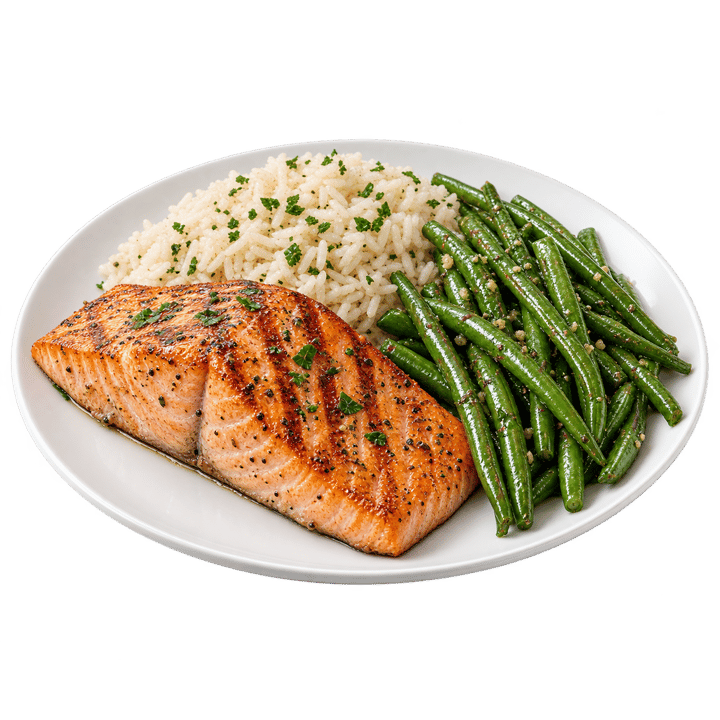
Fruit has too much sugar to eat freely
Short answerNo
On this page
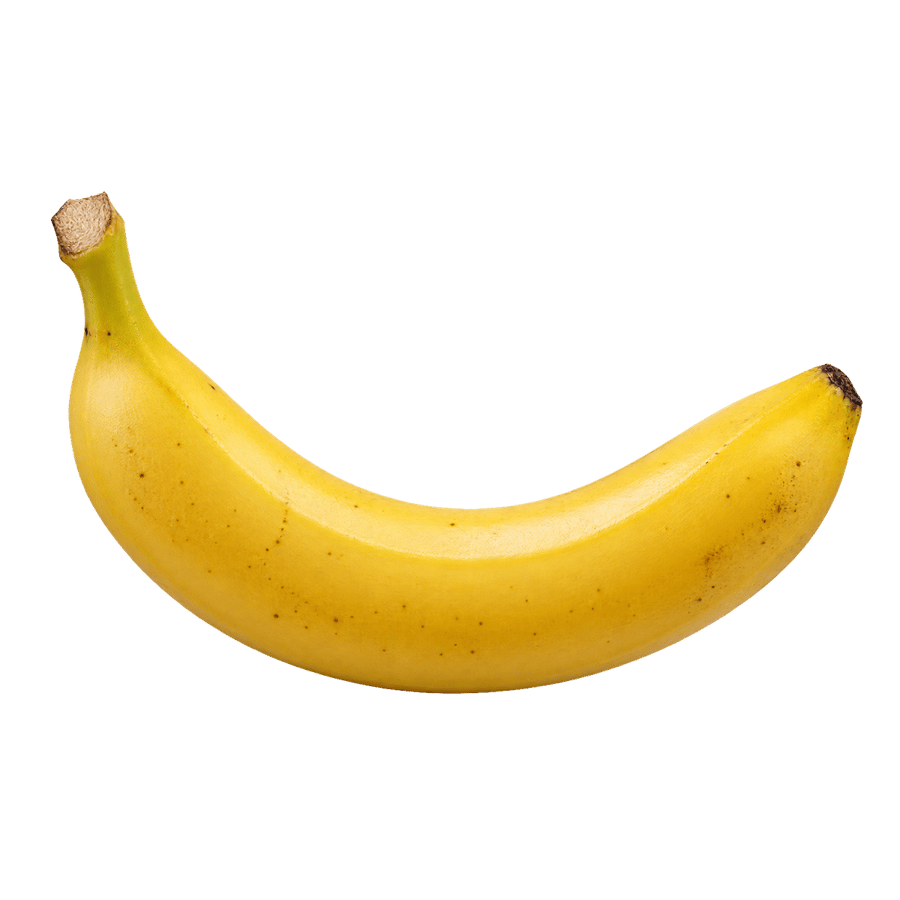
No. A banana has about 14 g of sugar, but it’s natural sugar that comes with fiber, and the 2026 US guidelines don’t count it against their 10 g limit on added sugar. They set 2 servings of fruit a day at 2,000 calories. Juice is the exception.
What we’d do
Eat whole fruit as part of your plates, two servings a day at 2,000 calories and a little more on a bigger day. Put it where it fixes something, like berries on breakfast yogurt or an apple next to a sandwich. Have juice in small glasses, or swap it for the whole fruit. If you have diabetes, whole fruit still fits, and your care team can help you fit it to your carb targets.
If you remember three things
- Fruit sugar isn’t added sugar. The guidelines say so in as many words, and only added sugar has the 10 g limit.
- Whole fruit went with less weight gain. In 133,468 US adults, each extra daily serving went with about half a pound less gain every four years.
- Juice is the one to watch. In the same kind of study, whole fruit went with lower diabetes risk and juice with higher.
Why people believe it
Sugar is sugar, the thinking goes, and fruit has a lot of it. A medium banana has about 14 g, which is more than the 10 g the guidelines allow for added sugar in a whole meal. Low-carb diets taught a lot of people to count fruit as a sweet. And it’s true that the sugar molecules in fruit are the same kinds that go into a soda.
What’s different is everything that comes with them. A banana brings 3 g of fiber and a lot of water along with its sugar. A 12 oz soda brings about 37 g of sugar, all of it added, with no fiber at all.
A simple way to picture it
Treating a banana like a soda because both have sugar is like treating a salad like a milkshake because both have calories. The number on its own leaves out what you actually ate.
What the guidelines say
The 2025 to 2030 US guidelines put it in one line: “Some foods and drinks, such as fruits and plain milk, have naturally occurring sugars. The sugars in these foods are not considered added sugars.” They list fruit as a food group, at 2 servings a day for a 2,000 calorie pattern, and say to “Eat whole vegetables and fruits in their original form.”
A serving is a cup of raw fruit or half a cup of dried, and frozen and canned fruit count too. The one warning is for juice: “100% fruit or vegetable juice should be consumed in limited portions or diluted with water.”
| Calories | Sugar | Of it added | Fiber | |
|---|---|---|---|---|
| A medium banana | 105 | 14 g | None | 3 g |
| A 12 oz can of cola | 152 | 37 g | All | 0 g |
What the big studies found
Fruit and weight, up to 24 years
133,468 US adults in three long-running health studies. Bertoia and colleagues, 2015
Each extra daily serving of fruit went with 0.53 lb less weight gain over four years. Berries went with 1.11 lb less, and apples and pears with 1.24 lb less.
Observational, so people who ate more fruit may have differed in other ways.
Fruit, juice and type 2 diabetes
187,382 US adults, 12,198 of whom developed type 2 diabetes. Muraki and colleagues, 2013
Three servings a week of whole fruit went with slightly lower risk, and blueberries with 26% lower. Three servings a week of juice went with 8% higher risk.
Observational, and the effects for most single fruits were small.
Both studies are observational, so they show what fruit goes with, which isn’t proof of what it causes. They agree with each other and with the guidelines, though, and we haven’t found a trial where whole fruit caused weight gain.
Fruit on the checker
On the meal checker, whole fruit counts toward the plants in the Nutrients meter, and the Glucose meter counts its carbs as slow ones, since they come with fiber. A 6 oz cup of plain Greek yogurt with a cup of blueberries, a banana and a handful of almonds is a B+, with 2 cups of plants and no added sugar. It’s steady on Glucose with two pieces of fruit in it, and it misses only Muscle, with 25 g of protein. Juice is the other way around. It doesn’t count as a plant, and Glucose counts its carbs as fast, the same as a soda’s.
Swap a fruit yogurt for plain Greek yogurt and a cup of blueberries and the Glucose meter goes from a spike to steady, since the fruit yogurt carries about 43 g of sugar and the plain one with berries none that’s added. Glucose shows where added sugar and fast carbs actually hide.
7 sources
- US Department of Agriculture and US Department of Health and Human Services, Dietary Guidelines for Americans, 2025 to 2030, January 2026cdn.realfood.gov
- US Department of Agriculture and US Department of Health and Human Services, Daily Servings by Calorie Level, Dietary Guidelines for Americans 2025 to 2030cdn.realfood.gov
- Bertoia et al., Changes in intake of fruits and vegetables and weight change in United States men and women followed for up to 24 years: analysis from three prospective cohort studies, PLOS Medicine, 2015europepmc.org
- Muraki et al., Fruit consumption and risk of type 2 diabetes: results from three prospective longitudinal cohort studies, BMJ, 2013europepmc.org
- Raw banana, 12.23 g of sugar and 2.6 g of fiber per 100 g, 118 g for a medium banana, USDA Standard Reference, on nutritionvalue.orgnutritionvalue.org
- Regular cola, 9.94 g of sugar per 100 g and 370 g per 12 fl oz can, USDA Standard Reference, on nutritionvalue.orgnutritionvalue.org
- Gebhardt and Thomas, Nutritive Value of Foods, USDA Agricultural Research Service, Home and Garden Bulletin 72, 2002 (the meal checker's food values)ars.usda.gov