Frozen vegetables are less healthy than fresh
Short answerNo
On this page
No. In a 2017 study of eight fruits and vegetables, frozen produce had about the same vitamin C, provitamin A and folate as fresh on the day it was bought, and more often beat fresh produce that had sat five days in the fridge. Frozen is often cheaper too.
What we’d do
Keep frozen vegetables and fruit as your everyday plants, since they’re ready in minutes and don’t go bad in the drawer. Buy fresh for what you’ll eat in the next few days, and for salads. Pick the plain bags, without sauce or added sugar. Canned beans count the same way, and they’re one of the cheapest plants there is.
If you remember three things
- Frozen matched fresh. On the day of purchase there were no real differences in most of the vitamins tested.
- Frozen often costs less. Frozen spinach was $1.10 a cup in 2022, against $1.77 for fresh.
- The guidelines count it. Frozen, dried or canned produce with little or no added sugar “can also be good options”.
Why people believe it
Fresh sounds alive and frozen sounds processed. Fresh produce gets the bright displays at the front of the store, and frozen sits in a bag in the back. Some frozen vegetables also come in butter or cheese sauce, which gives the whole aisle a bad name.
But “fresh” doesn’t stay fresh. It keeps changing after it’s picked, through the truck, the store shelf and the days in your fridge. Frozen produce goes into the freezer and stays that way until you cook it.
A simple way to picture it
Freezing is like pausing a movie. A fresh head of broccoli keeps playing in your fridge, losing a little each day, and a frozen bag stays paused at the scene where it was picked.
What the study found
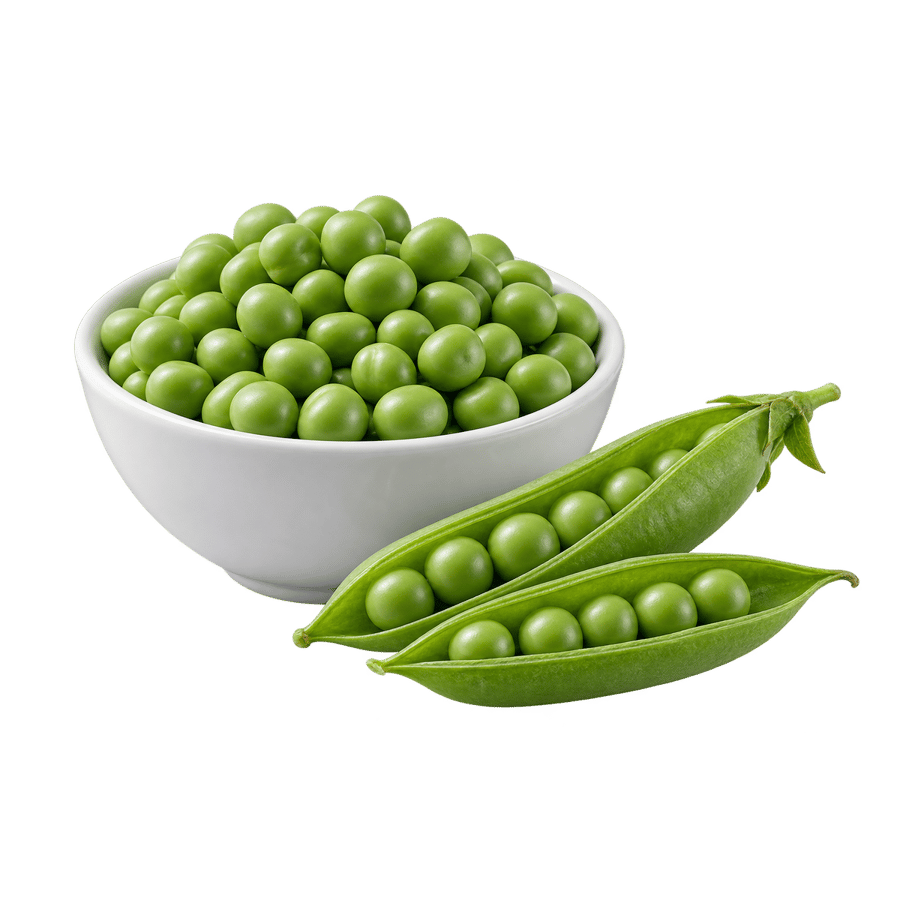
Researchers at the University of Georgia bought broccoli, cauliflower, corn, green beans, green peas, spinach, blueberries and strawberries three ways: fresh, fresh then kept in a fridge for five days the way people store it at home, and frozen. They measured vitamin C, provitamin A (the beta-carotene your body turns into vitamin A) and folate in each.
In most comparisons there was no real difference. Where there was one, frozen beat the five-day fresh produce more often than the other way round. The authors concluded their results didn’t support the idea that fresh food is much more nutritious than frozen. Fridge time was the thing that lowered nutrients.
The study measured three vitamins in eight foods, so it doesn’t cover every nutrient or every vegetable. It didn’t measure fiber, which is the main reason most plates need more plants, and on the meal checker frozen and fresh count the same.
What it costs
USDA economists priced 155 fruits and vegetables in 2022 and found that “Fresh products are not necessarily more or less expensive than processed ones.” For spinach, frozen was $1.10 a cup and fresh $1.77, with canned at 90 cents. Frozen broccoli was 91 cents a cup. They worked out that a person could meet the fruit and vegetable guidelines for under $3 a day, using a mix of fresh, frozen and canned.
What the guidelines say
The 2025 to 2030 US guidelines say “Frozen, dried, or canned vegetables or fruits with no or very limited added sugars can also be good options.” Their serving table counts vegetables of all kinds, “including fresh, frozen, and canned, cooked, or raw”. The only conditions are about what’s added, which is why the plain bag beats the one in sauce.
On your plate
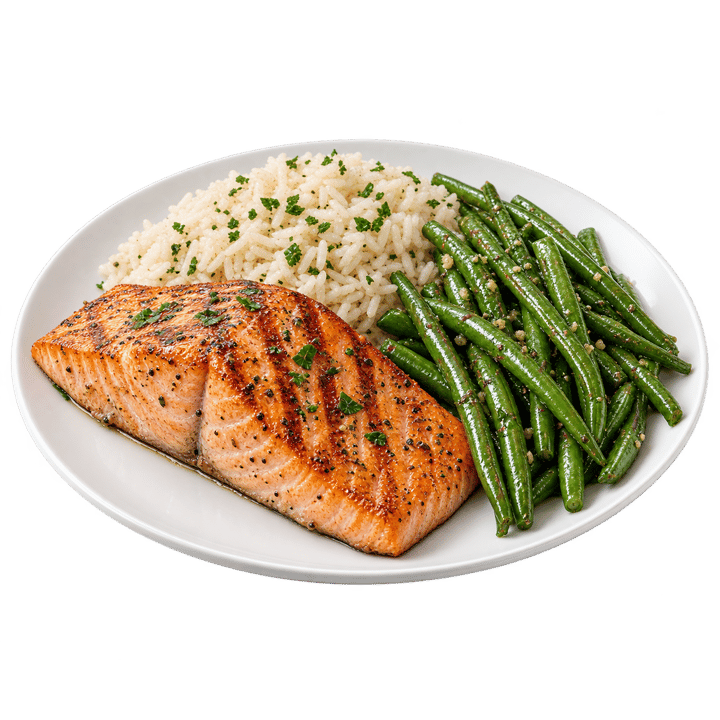
On the meal checker, a cup of green peas has 8.8 g of fiber and a cup of mixed vegetables 8 g, whether they came from the freezer or the field. A palm of chicken with white rice and a cup of frozen broccoli is a B+. Swap the rice for a cup of black beans, straight from the can, and it’s an A+. The checker’s Nutrients meter, which counts vitamins A and C among others, uses one row for each vegetable, so frozen and fresh score the same there too.
6 sources
- Li et al., Selected nutrient analyses of fresh, fresh-stored, and frozen fruits and vegetables, Journal of Food Composition and Analysis, 2017digitalcommons.montclair.edu
- International Institute of Refrigeration, Comparison of the nutritional values of fresh and frozen fruits and vegetables (on the University of Georgia study)iifiir.org
- Stewart, Hyman and Young, Satisfying fruit and vegetable recommendations possible for under $3 a day, data analysis shows, USDA Economic Research Service, Amber Waves, September 2024ers.usda.gov
- US Department of Agriculture and US Department of Health and Human Services, Dietary Guidelines for Americans, 2025 to 2030, January 2026cdn.realfood.gov
- US Department of Agriculture and US Department of Health and Human Services, Daily Servings by Calorie Level, Dietary Guidelines for Americans 2025 to 2030cdn.realfood.gov
- Gebhardt and Thomas, Nutritive Value of Foods, USDA Agricultural Research Service, Home and Garden Bulletin 72, 2002 (the meal checker's food values)ars.usda.gov