What does a portion look like?
On this page
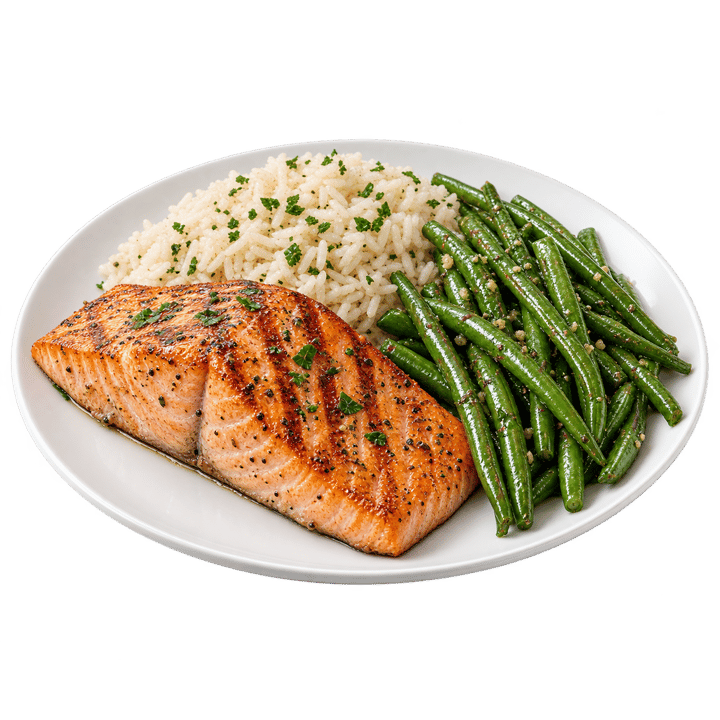
Use your hand. By the CDC’s measures, your palm, without the fingers, is about 3 oz of meat, fish or poultry. A fist is about 1 cup, or one medium piece of fruit. A cupped hand is 1 to 2 oz of nuts, and the tip of your thumb is about a tablespoon. The hand portions calculator turns any of them into grams and calories.
“Portion” gets mixed up with “serving size,” which is the amount printed on a label, and with whatever the restaurant put on the plate. Neither is a portion for you. A 12 oz steak on a menu is four palms of meat.
We’d use hands for every meal and weigh things only once, to see what your palm and fist look like with real food. After that, a plate is a palm of protein, a fist or two of vegetables, a fist or less of a starch and a thumb tip of fat.
Your hand is a measuring cup you never leave at home. And it grows with you, since bigger people tend to have bigger hands and need more food.
What does each hand measure hold?
| Hand | About | Example | Calories |
|---|---|---|---|
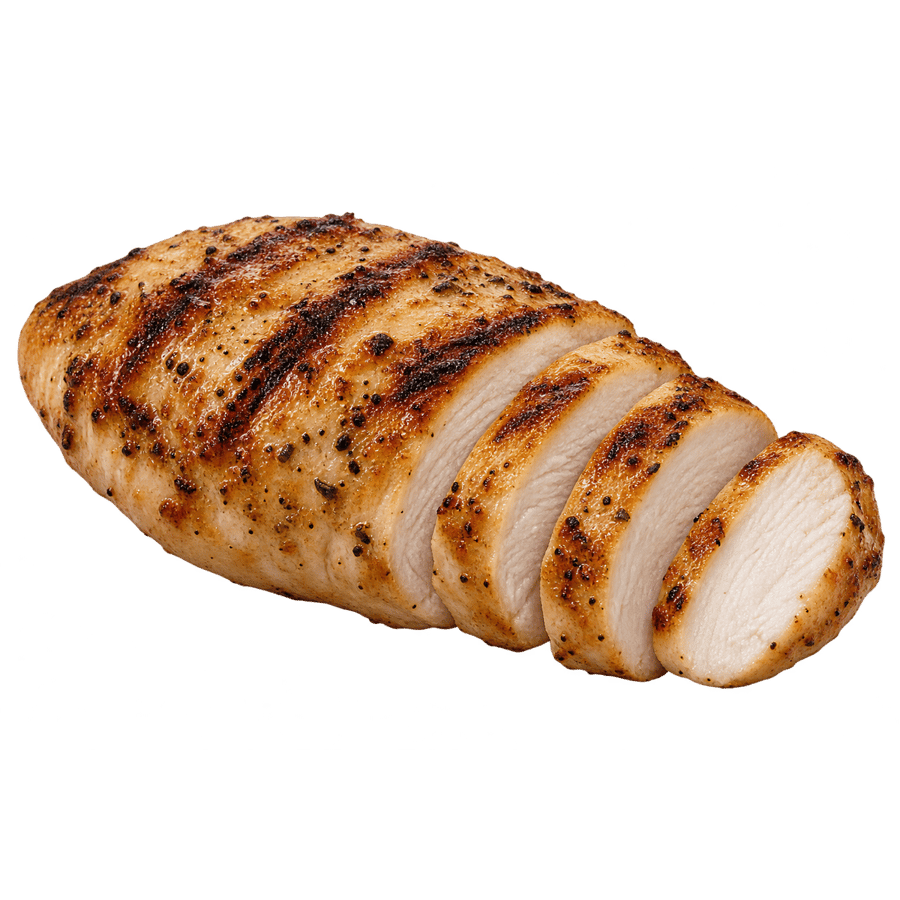
| Palm (no fingers) | 3 oz of cooked meat, fish or poultry | Chicken breast, 27 g protein | 140 |
| Palm | 3 oz | Salmon, 23 g protein | 180 |
| Fist | 1 cup | Broccoli, one vegetable serving | 45 |
| Fist | 1 cup | Cooked white rice | 205 |
| Fist | 1 cup | Black beans, 15 g protein and 15 g fiber | 225 |
| Cupped hand | 1 to 2 oz of nuts | 1 oz of almonds | 165 |
| Whole thumb (tip to base) | 1 oz of cheese | Cheddar | 115 |
| Thumb tip (to the first joint) | 1 tablespoon | Olive oil | 120 |
| Fingertip | 1 teaspoon | Butter | 35 |
Food values are from the USDA’s Nutritive Value of Foods. Hands vary, so treat these as close, not exact.
The surprise is in the thumb
A thumb tip of olive oil has about 120 calories. A whole palm of chicken breast has about 140. That’s how a stir fry or a salad ends up bigger than it looks. Two or three tablespoons of oil or dressing can add more calories than the chicken. The 2025 to 2030 US guidelines list olive oil as a healthy fat, and it’s still the densest thing on most plates, so the thumb is the measure to watch.
How do portions fit together on a plate?
The US serving table for 2,000 calories a day has 3 servings of vegetables, 2 of fruit and 3 to 4 of protein foods. A serving of vegetables is a cup (two cups for leafy greens), a serving of fruit is a cup, and a serving of protein is 3 oz of cooked meat, an egg, or half a cup of beans. In hands, three meals of a palm, a fist or two of plants and a little starch and fat land close to that.
What to do
- Weigh once. Put a palm of chicken and a fist of rice on a kitchen scale and remember what it looks like.
- Build every plate from hands: palm, fist or two, fist or less, thumb tip.
- Watch the thumb. Oil, butter, dressing and nut butter are where portions grow without anyone noticing.
- Size the whole plate to your day with the plate size calculator.
4 sources
- Centers for Disease Control and Prevention, Diabetes Meal Planning, May 2024cdc.gov
- Gebhardt and Thomas, Nutritive Value of Foods, Home and Garden Bulletin 72, USDA Agricultural Research Service, 2002ars.usda.gov
- US Department of Agriculture and US Department of Health and Human Services, Daily Servings by Calorie Level, 2025 to 2030cdn.realfood.gov
- US Department of Agriculture and US Department of Health and Human Services, Dietary Guidelines for Americans, 2025 to 2030, January 2026cdn.realfood.gov