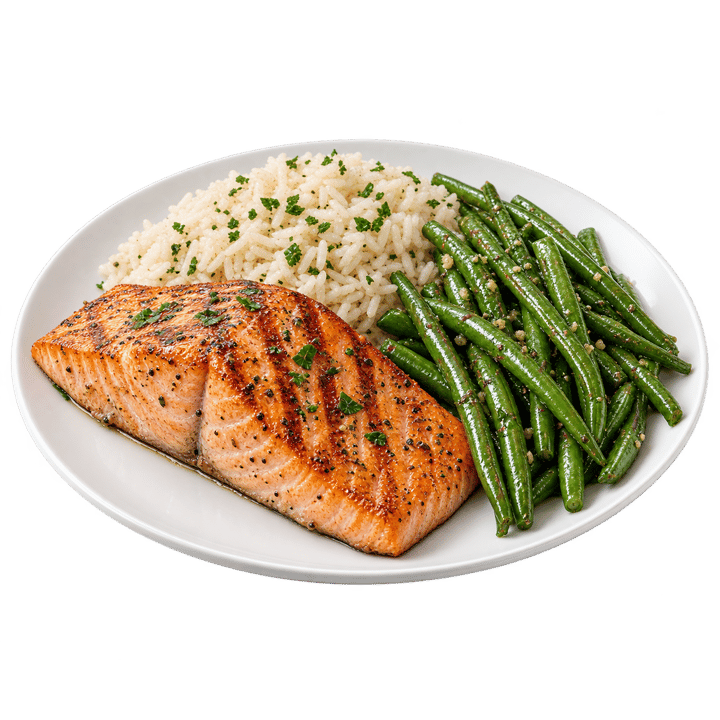
What does 30 grams of protein look like?
About a palm and a bit of chicken breast (3.4 oz), five eggs, a heaping cup of cottage cheese, a 4 oz piece of salmon, or two cups of black beans. The calories it takes to get there run from about 135 for tuna to over 800 for almonds.
Thirty grams is about the protein line for one plate if you weigh around 170 pounds and eat three times a day. The trouble is that a lot of foods people think of as protein don’t carry much of it. Two tablespoons of peanut butter have 8 g. A handful of almonds has 6. Two eggs have 12. You’d need seven and a half tablespoons of peanut butter to reach 30 g, and that’s over 700 calories.
We’d anchor every plate with one dense protein (meat, fish, eggs, plain Greek yogurt or cottage cheese) and let beans, nuts and grains add the rest.
Protein foods are like cars and gas mileage. Some get you to 30 g on a few calories, and some burn a whole tank getting there.
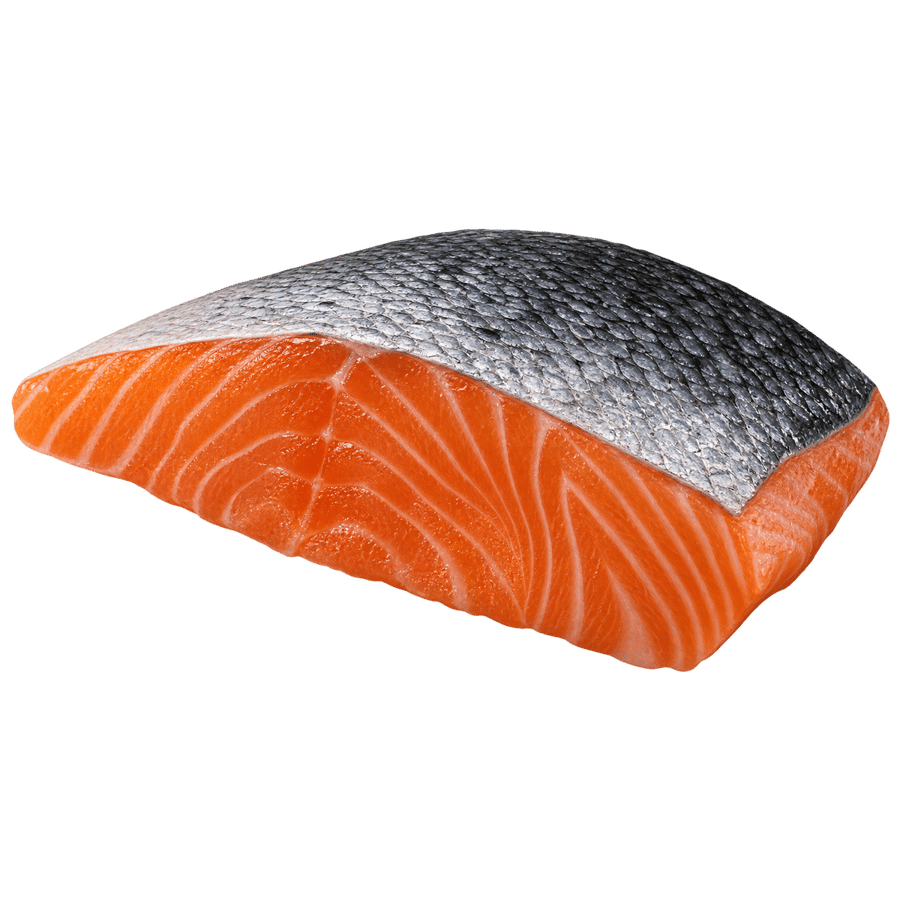
30 g of protein from one food
The numbers come from the USDA’s Nutritive Value of Foods, and the weights are cooked.
| Food | How much for 30 g | Calories |
|---|---|---|
| Canned tuna, in water | 4 oz | 135 |
| Shrimp | 4 oz | 145 |
| Chicken breast | 3.4 oz, a palm and a bit | 160 |
| Roast turkey breast | 3.6 oz | 160 |
| Plain nonfat Greek yogurt | 300 g, about 1¾ small containers | 175 |
| Sirloin steak | 3.5 oz | 190 |
| Salmon | 4 oz | 240 |
| Cottage cheese | about 1⅛ cups | 250 |
| Lentils | about 1⅔ cups | 380 |
| Eggs | 5 large | 390 |
| Black beans | 2 cups | 455 |
| Peanut butter | 7½ tablespoons | 715 |
| Almonds | 5 oz, about five handfuls | 820 |
Nobody should eat 7½ tablespoons of peanut butter at lunch, and nuts and nut butters work better as a side to a main protein. The beans are a different story. Two cups is a lot, but it also brings 30 g of fiber, more than the 28 g a day the US standard sets for someone eating 2,000 calories.
What 30 g looks like as a plate
You don’t have to get it from one food. Most good plates add up from two or three.
| Plate | Protein |
|---|---|
| Two eggs, a cup of chickpeas and a spinach salad | 30 g |
| 1½ containers of Greek yogurt, a cup of blueberries and a handful of almonds | 33 g |
| A palm of chicken, a cup of white rice and a cup of broccoli | 36 g |
| A cup of lentils, a container of Greek yogurt, spinach and half a cup of brown rice | 39 g |
Rice, pasta, bread and vegetables add a few grams each. A cup of broccoli has 5 g and a cup of white rice has 4.
What to do
- Learn your palm. A palm of chicken breast is about 27 g, close enough to the line for most plates.
- Put the dense protein on the plate first, then the rest.
- Use the hand portions calculator to turn any palm, fist or cupped hand into grams of protein.
- Mix animal and plant protein. The new US food guide asks for protein “from both animal and plant sources.” Beans and lentils count. They just need a bigger scoop.
4 sources
- Gebhardt and Thomas, Nutritive Value of Foods, Home and Garden Bulletin 72, USDA Agricultural Research Service, 2002ars.usda.gov
- USDA National Nutrient Database, Yogurt, Greek, plain, nonfat, via nutritionvalue.orgnutritionvalue.org
- US Department of Health and Human Services and US Department of Agriculture, The New Pyramid, realfood.gov, 2026realfood.gov
- National Institute of Diabetes and Digestive and Kidney Diseases, Eating, Diet, and Nutrition for Diverticular Disease (fiber at 14 g per 1,000 calories)niddk.nih.gov