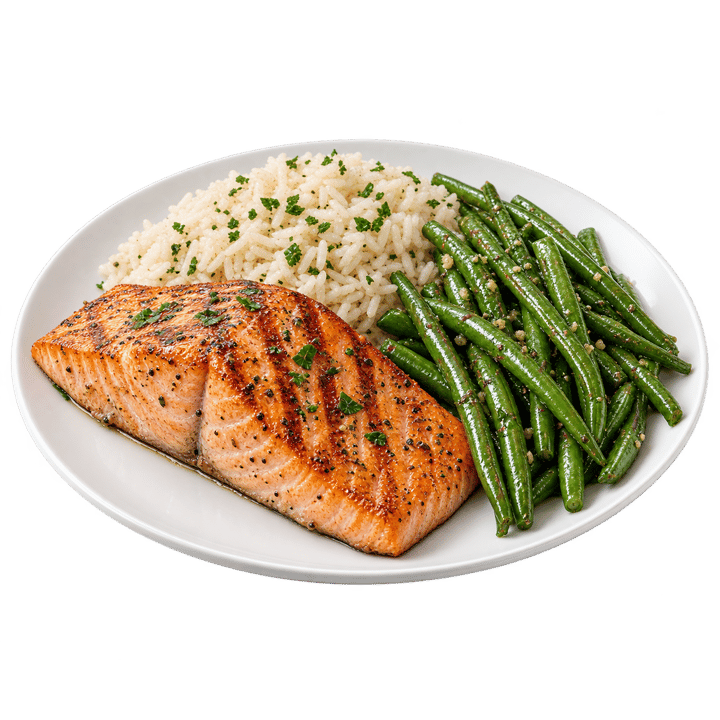
Carbs at night turn into fat
Short answerNo
On this page
No. Your body turns very little carbohydrate into fat unless the carbs alone add up to more calories than you burn, at any hour. In a 6-month trial of 78 police officers, the group that ate most of its carbs at dinner lost more weight than the group on a standard weight loss diet.
What we’d do
Eat your carbs at whichever meal you want them, and judge the day’s total and each plate’s balance instead of the clock. A cupped hand of a starch you can name, like a potato, rice or beans, next to a palm of protein and some plants is a good dinner at 6 or at 9. What goes wrong at night is usually a snack, a bowl of cereal or chips on the couch, and that’s the part to change.
If you remember three things
- Making fat from carbs is a last resort. In a 1988 study it took days of eating about 475 g of carbs a day on top of full stores.
- The same plate gets the same grade at noon or 9 pm. The meal checker doesn’t look at the clock, because your body barely does either.
- Carbs at dinner did fine in a trial. Police officers eating most of their carbs at dinner lost more weight over 6 months.
Why people believe it
The logic sounds tight. You eat carbs, then you lie still for eight hours, so the energy has nowhere to go but into fat. Carbs raise insulin, and insulin helps store fat, so carbs at night must be the worst of both. Plenty of diet plans and gym coaches still say to stop carbs after 6.
What it misses is what your body does with carbohydrate first, and the fact that fat is gained over days of eating more than you burn. bodyfat.guide covers the insulin side in full.
What happens to the carbs you eat
Carbohydrate gets broken down to glucose. Your body burns some of it right away, and stores the rest as glycogen in your liver and muscles, a fuel you use up through the day and overnight. Turning glucose into fat has a name, de novo lipogenesis, and in people it’s a small pathway.
A 1999 review of the research put it plainly. Swapping fat for carbohydrate at the same calories “does not induce hepatic DNL to any substantial degree”, and fat-making only becomes significant when the calories from carbohydrate alone are more than you burn in a day. The author’s conclusion was that it’s “not the pathway of first resort”.
A simple way to picture it
Your body treats carbs the way a phone treats a charger. It runs on them first and tops up the battery, which is your glycogen. Only when the battery is full and you keep it plugged in for days does the extra spill over into long-term storage. Plugging in at 9 pm instead of noon doesn’t change that.
How much does it take?
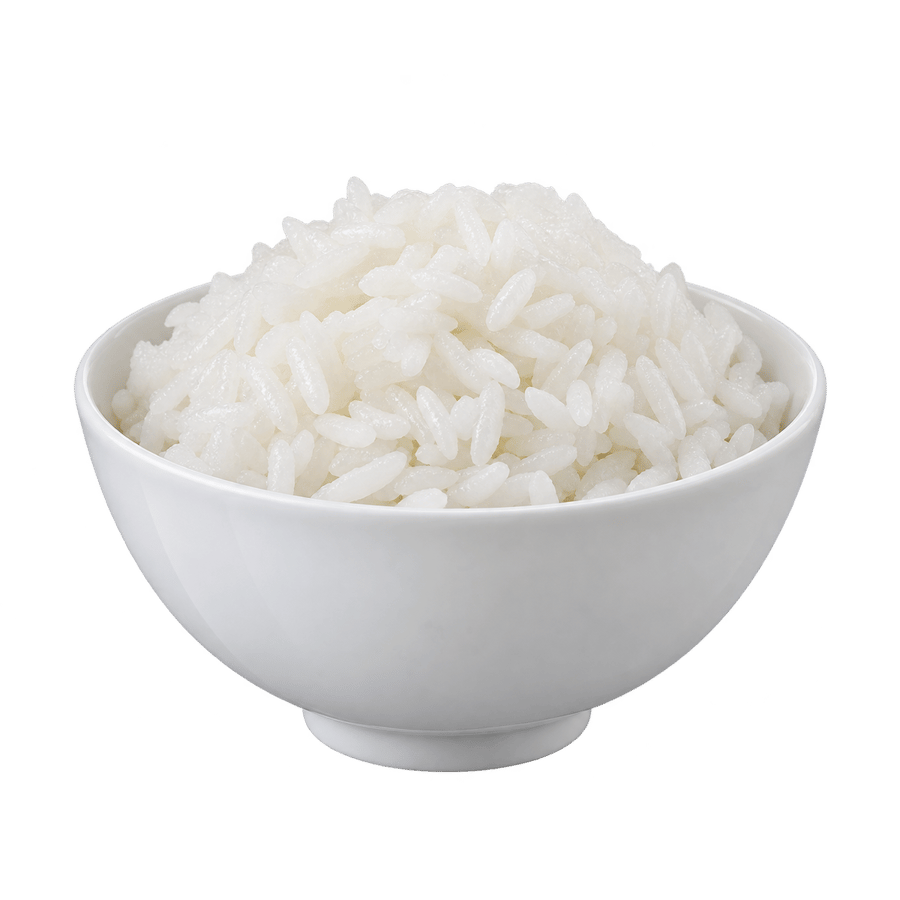
In 1988, researchers in Switzerland put three men through a week of eating mostly carbohydrate on purpose, 86% of their calories, after first emptying their glycogen stores. The stores refilled first, holding about 15 g of glycogen for every kg of body weight. Only once they were full did the men make fat from carbohydrate in a big way, about 150 g of fat a day from about 475 g of carbs a day. That’s far more carbohydrate than anyone eats at an ordinary dinner.
The police officer trial
In 2011, researchers in Israel split 78 police officers with obesity between two weight loss diets for 6 months. One group ate its carbohydrate mostly at dinner, and the other ate a standard weight loss diet. The dinner group lost more weight, more off the waist and more fat, reported less hunger, and had better fasting blood sugar and insulin.
It was one trial, in one group of people, so we wouldn’t say carbs at night are better. It does show they aren’t the problem the rule says they are. A 2022 trial pointed the same way from another angle. When 30 adults ate the same calories front-loaded into breakfast or loaded toward dinner, they lost the same weight.
The plate, at any hour
On the meal checker, a palm of chicken with a cup of white rice, a cup of broccoli and a spoon of olive oil is a B+, whatever the time. Swap the rice for black beans and it’s an A+, also whatever the time. The checker doesn’t ask when you ate.
Late-night eating does tend to look different, though. Corn flakes and milk is a D at any hour, and a bag of chips isn’t a plate at all. If your evening carbs come as snacks after dinner, it’s the snacks to change. Eating after 8 pm makes you gain weight covers what late meals do to hunger.
5 sources
- Acheson et al., Glycogen storage capacity and de novo lipogenesis during massive carbohydrate overfeeding in man, American Journal of Clinical Nutrition, 1988europepmc.org
- Hellerstein, De novo lipogenesis in humans: metabolic and regulatory aspects, European Journal of Clinical Nutrition, 1999europepmc.org
- Sofer et al., Greater weight loss and hormonal changes after 6 months diet with carbohydrates eaten mostly at dinner, Obesity, 2011europepmc.org
- Ruddick-Collins et al., Timing of daily calorie loading affects appetite and hunger responses without changes in energy metabolism in healthy subjects with obesity, Cell Metabolism, 2022europepmc.org
- Gebhardt and Thomas, Nutritive Value of Foods, USDA Agricultural Research Service, Home and Garden Bulletin 72, 2002 (the meal checker's food values)ars.usda.gov